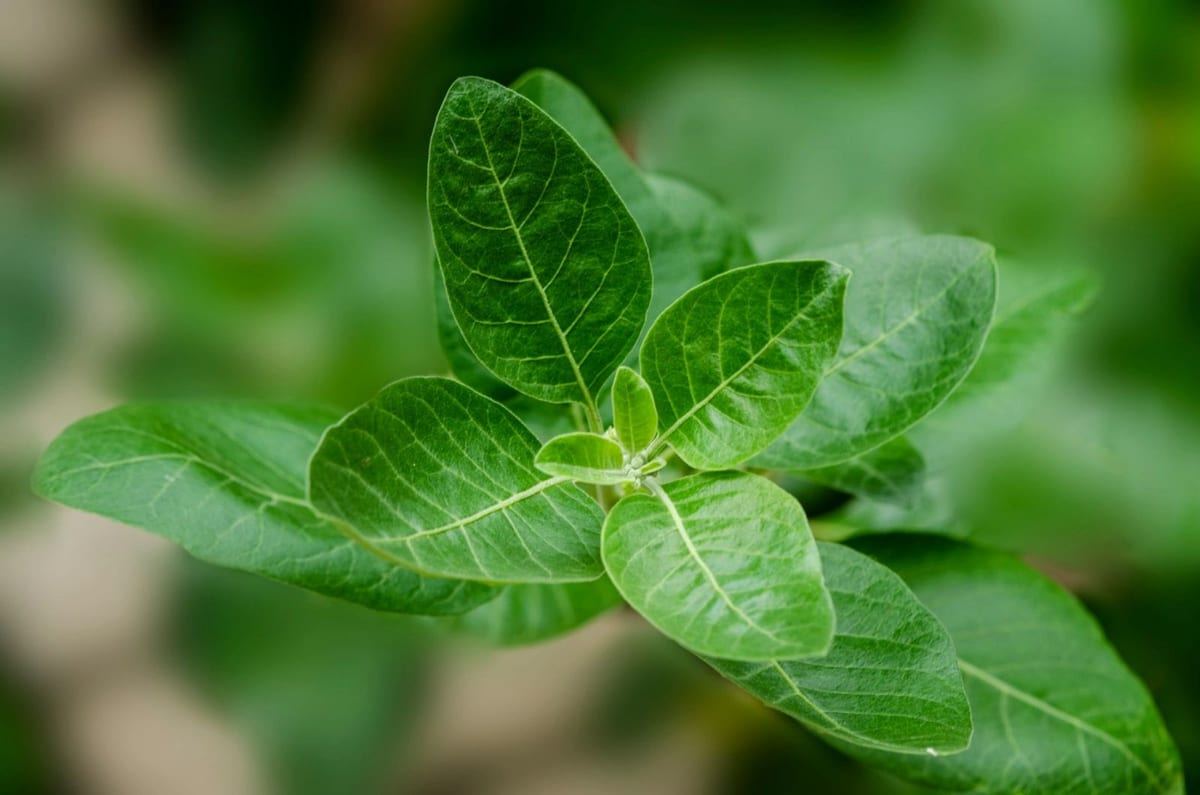
Ashwagandha, also known as Withania somnifera, is an adaptogenic herb that has been used in traditional Ayurvedic medicine for centuries. It is believed to help the body adapt to stress, promote relaxation, and improve overall well-being. Ashwagandha is also said to have antioxidant, anti-inflammatory, and immune-boosting properties. It is commonly taken as a supplement in powdered or capsule form.
The recommended dosage for ashwagandha supplementation typically ranges from 300mg to 600mg daily, taken in divided doses throughout the day. It important to follow the dosage instructions provided on the product label or consult with a healthcare professional for personalized recommendations based on individual health needs. It is also advised to start with a lower dose and gradually increase it to assess tolerance and effectiveness.
Ashwagandha supplements can be easily found at health food stores, pharmacies, and online retailers. Some popular brands of ashwagandha include Nature's Way, Gaia Herbs, and Organic India. It is important to choose a reputable brand and follow the recommended dosage instructions.
Several studies have shown that ashwagandha may have potential benefits for mental health, including reducing symptoms of anxiety and depression. One study found that participants who took ashwagandha experienced a significant reduction in stress levels, compared to those who took a placebo.
Ashwagandha is thought to work by regulating the body's stress response system, which can help reduce feelings of anxiety and improve mood. It may also have antioxidant properties that can help protect the brain from damage caused by chronic stress.
Some potential side effects of ashwagandha include:
- Upset stomach or digestive issues
- Diarrhea
- Allergic reactions in some individuals
- Changes in blood sugar levels
- Drowsiness or sedation
- Interference with blood pressure medications
- Thyroid hormone interference
- Increased symptoms of auto-immune diseases
- Lowers blood pressure
It is important to consult with a healthcare provider before taking ashwagandha, especially if you have any underlying health conditions or are taking medications.
Overall, more research is needed to fully understand the effects of ashwagandha on mental health, but it may be a promising natural remedy for those looking for alternative ways to support their emotional well-being. As always, it is important to consult with a healthcare provider before starting any new supplement or herbal remedy.
To schedule an appointment with Zalfi please click HERE.
(Note: The brands mentioned above are not affiliated with or endorsed by Zalfi.)
This article is general information, not medical advice. It cannot diagnose you and is not a substitute for an evaluation by a licensed clinician.