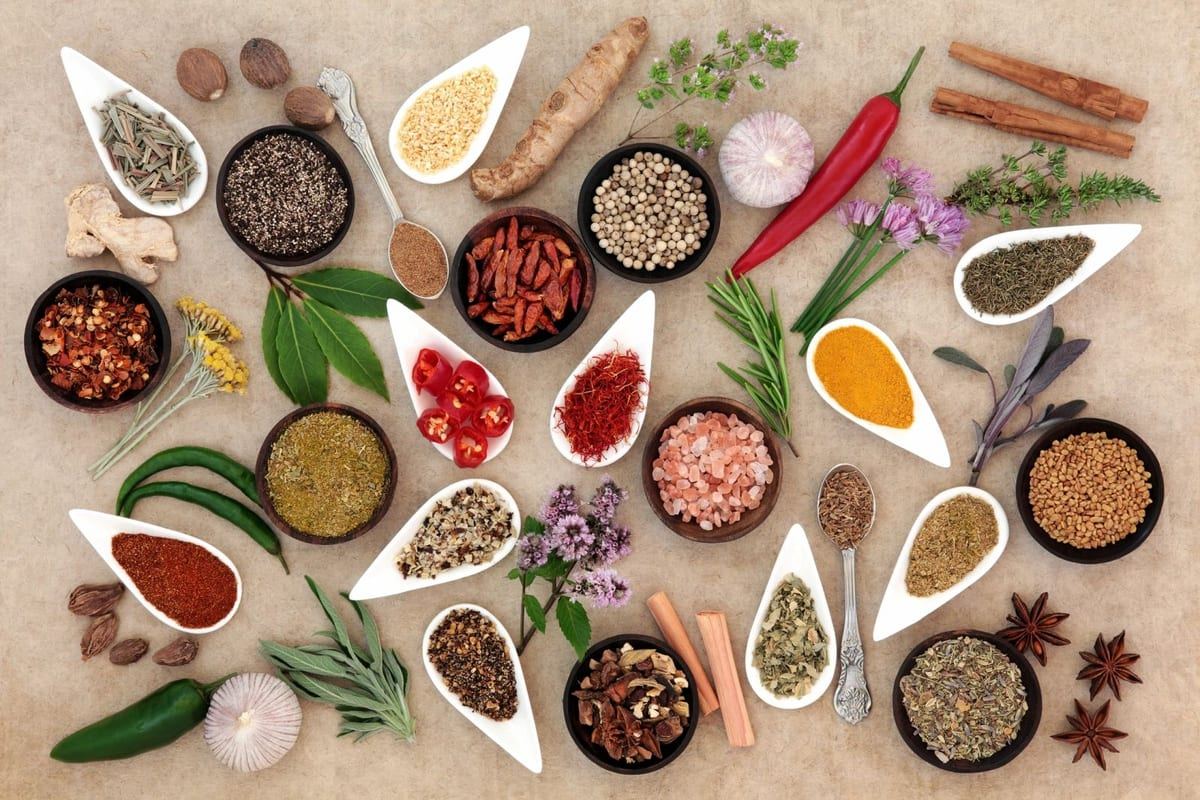
Prebiotics vs Probiotics: Exploring Their Roles and Benefits for Gut and Mental Health
In recent years, the connection between gut health and overall well-being has gained significant attention, particularly in the context of mental health. Two key components in this discussion are prebiotics and probiotics. While they are distinct in their functions, both play crucial roles in maintaining a healthy gut microbiome, which is increasingly linked to mental health. This article delves into the differences between prebiotics and probiotics, their respective benefits, and their impact on mental health.
Understanding Prebiotics
Prebiotics are non-digestible fibers and compounds that serve as nourishment for beneficial bacteria in the gut. By promoting the growth and activity of these good bacteria, prebiotics help maintain a balanced gut microbiome. Common sources of prebiotics include:
- Inulin and Fructooligosaccharides (FOS): Found in foods such as garlic, onions, leeks, asparagus, and bananas.
- Galactooligosaccharides (GOS): Present in legumes and certain root vegetables.
- Resistant Starch: Found in foods like potatoes, green bananas, and whole grains.
The Benefits of Prebiotics
- Digestive Health: Prebiotics support the growth of beneficial gut bacteria, which is essential for maintaining digestive health and preventing gastrointestinal disorders [1].
- Mineral Absorption: They enhance the absorption of essential minerals like calcium and magnesium, promoting bone health [2].
- Immune Function: A healthy gut microbiome supported by prebiotics can boost immune response and reduce inflammation [3].
- Mental Health: Emerging research suggests that prebiotics can influence brain health by modulating the gut-brain axis. By fostering a healthy gut environment, prebiotics may help reduce stress and anxiety [4].
Understanding Probiotics
Probiotics are live microorganisms, predominantly bacteria, that provide health benefits when consumed in adequate amounts. They help maintain the balance of the gut microbiome by replenishing beneficial bacteria. Common probiotic sources include:
- Yogurt and Kefir: Fermented dairy products rich in live bacterial cultures.
- Fermented Foods: Such as sauerkraut, kimchi, miso, and tempeh.
- Probiotic Supplements: Available in various forms like capsules, tablets, and powders.
The Benefits of Probiotics
- Gut Balance: Probiotics help restore and maintain the natural balance of gut bacteria, especially after disturbances from antibiotics or infections [5].
- Diarrhea Management: Certain probiotic strains can reduce the severity and duration of infectious diarrhea and antibiotic-associated diarrhea [6].
- Mental Health Support: Probiotics have been shown to impact mental health positively. Some strains can help alleviate symptoms of depression, anxiety, and stress by influencing the gut-brain axis [7].
The Gut-Brain Axis: Linking Gut Health and Mental Health
The gut-brain axis is a bidirectional communication system between the gut and the brain. It involves the central nervous system, the enteric nervous system, and the gut microbiota. This connection suggests that the state of our gut can significantly impact our mental health.
- Prebiotics and Mental Health: By promoting a healthy gut microbiota, prebiotics can indirectly influence the production of neurotransmitters like serotonin, which is crucial for mood regulation [8].
- Probiotics and Mental Health: Some studies have found that specific probiotic strains can reduce symptoms of anxiety and depression, potentially by reducing inflammation and producing neuroactive compounds [9].
Incorporating Prebiotics and Probiotics into Your Diet
- Diverse Diet: Incorporate a variety of prebiotic-rich foods such as fruits, vegetables, and whole grains into your meals.
- Fermented Foods: Regularly consume fermented foods like yogurt, kefir, and sauerkraut to boost probiotic intake.
- Supplements: Consider taking prebiotic and probiotic supplements, especially if your diet lacks these components. Always consult with a healthcare professional before starting new supplements.
Conclusion
Both prebiotics and probiotics are essential for maintaining a healthy gut microbiome, which plays a crucial role in digestive and mental health. By understanding their benefits and incorporating them into your diet, you can support your overall well-being and potentially improve mental health outcomes. Always consult with a healthcare professional before starting new supplements.
References
- Gibson, G. R., & Roberfroid, M. B. (1995). Dietary modulation of the human colonic microbiota: introducing the concept of prebiotics. The Journal of Nutrition, 125(6), 1401-1412.
- Scholz-Ahrens, K. E., et al. (2007). Prebiotics, probiotics, and synbiotics affect mineral absorption, bone mineral content, and bone structure. The Journal of Nutrition, 137(3 Suppl 2), 838S-846S.
- Lomax, A. R., & Calder, P. C. (2009). Prebiotics, immune function, infection and inflammation: a review of the evidence. British Journal of Nutrition, 101(5), 633-658.
- Schmidt, K., et al. (2015). Prebiotic intake reduces the waking cortisol response and alters emotional bias in healthy volunteers. Psychopharmacology, 232(10), 1793-1801.
- Floch, M. H., et al. (2011). Recommendations for probiotic use—2011 update. Journal of Clinical Gastroenterology, 45, S168-S171.
- Allen, S. J., et al. (2010). Probiotics for treating acute infectious diarrhoea. Cochrane Database of Systematic Reviews, (11).
- Mörkl, S., et al. (2020). Probiotics and the microbiota-gut-brain axis: focus on psychiatry. Current Opinion in Psychiatry, 33(6), 448-454.
- Cryan, J. F., et al. (2019). The microbiota-gut-brain axis. Physiological Reviews, 99(4), 1877-2013.
- Wallace, C. J. K., & Milev, R. (2017). The effects of probiotics on depressive symptoms in humans: a systematic review. Annals of General Psychiatry, 16(1), 14.
This article is general information, not medical advice. It cannot diagnose you and is not a substitute for an evaluation by a licensed clinician.