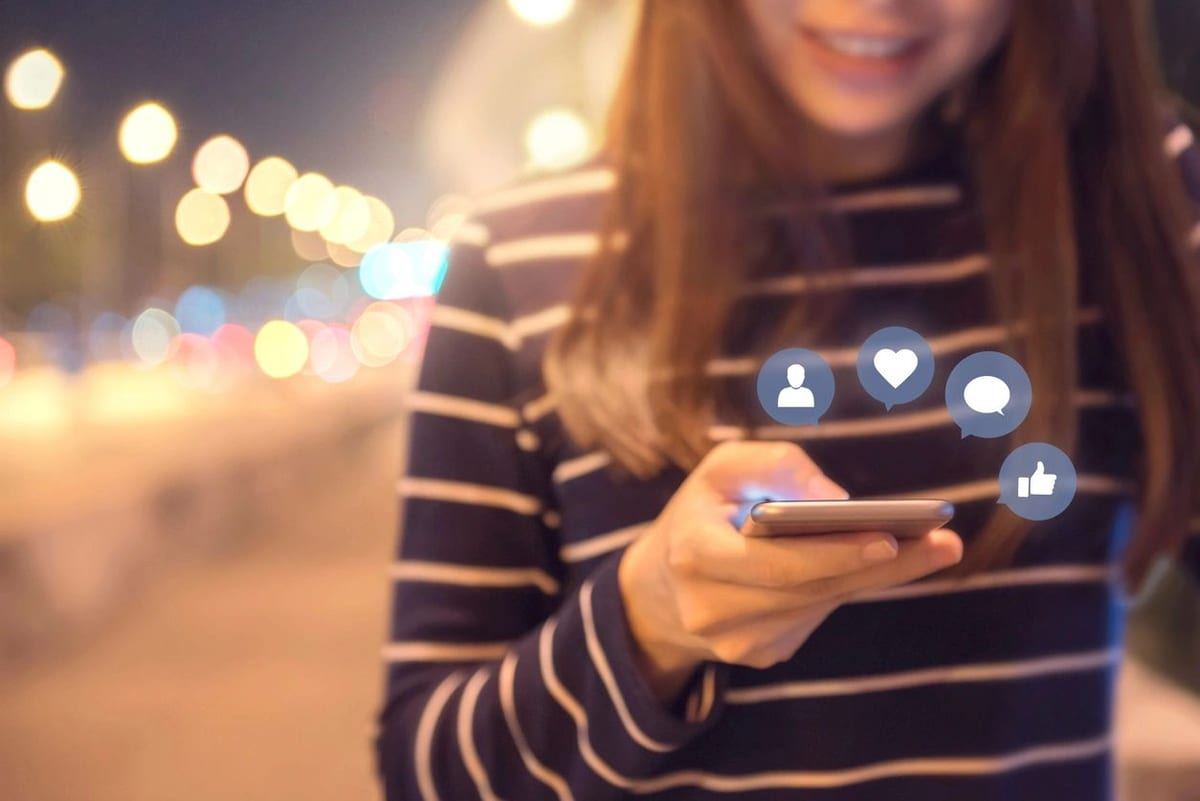
Social media has had a significant impact on college students in several ways:
- Communication: Social media platforms like Facebook, Twitter, and Instagram have revolutionized communication among college students. They allow students to stay connected with their friends, classmates, and family members easily. Additionally, social media platforms enable students to join online communities or groups related to their interests, which helps in building connections and expanding social networks.
- Academic Support: Many social media platforms provide academic support to college students. For instance, there are online study groups and forums where students can collaborate, exchange ideas, and seek help with their coursework. Additionally, platforms like YouTube and LinkedIn provide educational content and resources that can supplement students' learning.
- Networking and Job Opportunities: Social media has opened up new avenues for networking and job opportunities for college students. LinkedIn, in particular, has become a powerful tool for students to create professional profiles, connect with professionals in their fields of interest, and find internships or job opportunities. Social media has also allowed students to showcase their skills and accomplishments, making it easier for potential employers to discover them.
- Mental Health: While social media offers numerous benefits, it can also negatively impact the mental health of college students. The constant exposure to curated and filtered content on platforms like Instagram can lead to feelings of inadequacy and low self-esteem. Additionally, cyberbullying and online harassment can significantly impact students' mental health, leading to anxiety and depression.
- Time Management and Productivity: Social media can be addictive and time-consuming, often leading to distractions for college students. It can be challenging to maintain a healthy balance between social media usage and productive work/study time. Many students find it difficult to resist the urge to regularly check their social media accounts, leading to lowered productivity and effectiveness in their academic pursuits.
Overall, social media has brought both positive and negative impacts on college students. It is crucial for students to utilize social media in a mindful and responsible manner, balancing their personal and academic lives effectively.
Social Media and Mental Health
Social media has both positive and negative impacts on mental health. Some ways in which social media can negatively affect mental health include:
- Comparison and self-esteem issues: Social media often presents an unrealistic and curated depiction of people's lives, leading to feelings of inadequacy and low self-esteem. Constantly comparing oneself to others can contribute to feelings of depression and anxiety.
- Cyberbullying: Social media platforms can facilitate cyberbullying, which can have severe emotional and psychological effects on individuals. The constant exposure to negative comments, harassment, and online abuse can lead to increased stress, anxiety, and even suicidal thoughts.
- Sleep disturbances and addiction: Spending excessive time on social media can disrupt sleep patterns and lead to sleep disturbances, as people may become hyperstimulated and find it difficult to disconnect. Additionally, the addictive nature of social media can lead to a loss of control and the neglect of other important areas of life.
- Fear of missing out (FOMO): Social media platforms can create a sense of missing out on important events and experiences shared by others. This fear of missing out can lead to feelings of anxiety and pressure to engage in certain activities or events to fit in.
Despite these negative impacts, social media can also have positive effects on mental health, such as:
- Increased social support: Online communities and support groups can provide a sense of belonging, connection, and support for individuals struggling with mental health issues. Social media platforms enable people to share their experiences, find empathy, and receive help from others facing similar challenges.
- Raising awareness and reducing stigma: Social media can be a powerful tool for raising awareness about mental health issues and reducing the stigma associated with them. It allows people to openly share their own stories, which can promote understanding and empathy among others.
- Access to resources and information: Social media provides easy access to educational resources, self-help tools, and therapy options for individuals seeking mental health support. Many organizations and mental health professionals use social media platforms to share valuable information and provide guidance to those in need.
Overall, while social media can negatively impact mental health, it also has the potential to be a positive force by fostering support, awareness, and access to mental health resources. It is important for individuals to find a healthy balance and practice mindful and responsible use of social media.
To schedule an appointment with Zalfi please click HERE.
This article is general information, not medical advice. It cannot diagnose you and is not a substitute for an evaluation by a licensed clinician.