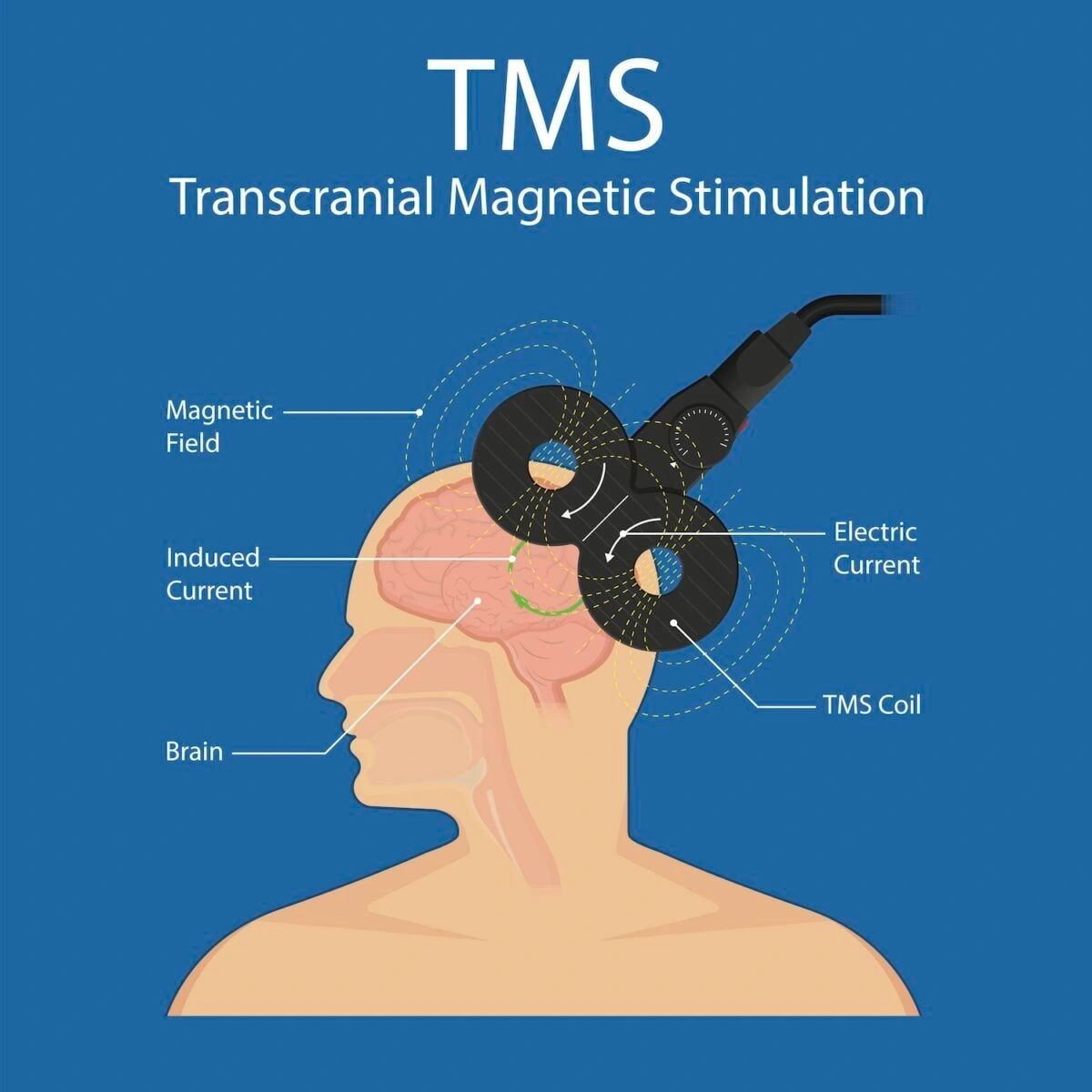
Transcranial Magnetic Stimulation (TMS) therapy is a non-invasive treatment for individuals with certain mental health conditions, such as depression and anxiety. It involves the use of electromagnetic coils to deliver targeted magnetic pulses to specific areas of the brain, helping to regulate mood and alleviate symptoms.
Here are some important things you should know about TMS therapy:
- How does TMS therapy work?
During a TMS session, a trained technician will place an electromagnetic coil on the patient's head, typically over the prefrontal cortex region of the brain. The coil delivers magnetic pulses that stimulate nerve cells in the brain, helping to regulate mood and alleviate symptoms of depression and anxiety.
- Is TMS therapy effective?
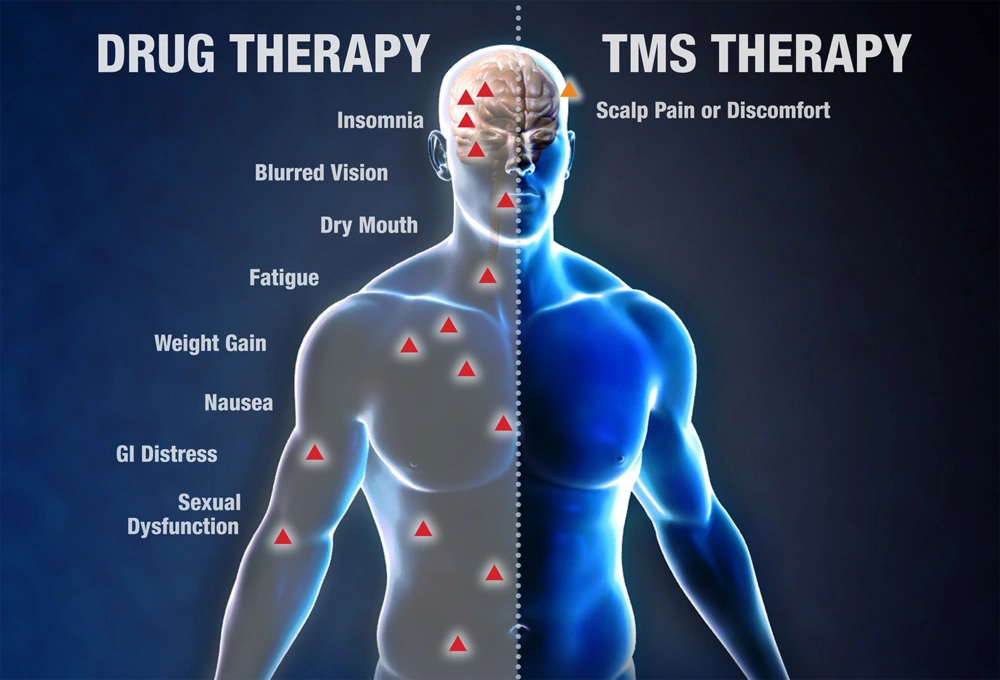
TMS therapy has been found to be an effective treatment option for individuals who have not responded well to traditional forms of therapy, such as medication or talk therapy. Studies have shown that TMS therapy can help improve symptoms of depression and anxiety in many patients, with minimal side effects.
- What are the side effects of TMS therapy?
Most patients tolerate TMS therapy well and experience minimal side effects. Some common side effects may include headaches, scalp discomfort, and muscle twitching during the treatment session. These side effects are usually mild and temporary, and typically subside as the patient continues with their treatment.
- How long does TMS therapy take?
A typical course of TMS therapy consists of daily sessions over a period of several weeks. Each session typically lasts between 20-40 minutes, depending on the specific treatment protocol. Patients may start to see improvements in their symptoms after a few weeks of treatment, but it is important to complete the full course of therapy as recommended by a healthcare professional.
- Is TMS therapy covered by insurance?
Many insurance companies now cover TMS therapy for the treatment of depression and other mental health conditions. However, coverage may vary depending on the specific insurance plan and the individual's medical history. It is important to check with your insurance provider to see if TMS therapy is covered and to discuss any potential costs or co-pays.
Overall, TMS therapy is a safe and effective treatment option for individuals struggling with depression and anxiety. If you or a loved one is considering TMS therapy, it is important to speak with a qualified healthcare provider to determine if this treatment is right for you. With proper guidance and support, TMS therapy can help improve your mental health and overall well-being.
TMS Therapy Options
There are several different transcranial magnetic stimulation (TMS) therapy options available, each utilizing a different type of machine or device. Some of the common TMS machines used for therapy include:
- NeuroStar Advanced Therapy System: This machine is designed for treating depression and is FDA-approved for this purpose. It delivers precise magnetic pulses to targeted areas of the brain to stimulate neural activity.
- MagVenture TMS Therapy System: This machine is also FDA-approved for treating depression and offers customizable treatment options based on individual patient needs. It can be used for both repetitive TMS (rTMS) and deep TMS (dTMS) therapy.
- Brainsway Deep TMS System: This machine is designed specifically for deep transcranial magnetic stimulation and is FDA-approved for treating depression. It delivers magnetic pulses to areas of the brain responsible for mood regulation.
- CloudTMS System: This machine is a portable unit that can be easily transported and set up for TMS therapy sessions. It is designed for treating depression and offers customizable treatment parameters.
The main differences between these TMS machines lie in their specific design features, treatment options, and target areas of the brain. Some machines may offer more customization in terms of treatment parameters, while others may be more portable or have unique features such as deep TMS capabilities. It is important to consult with a healthcare provider to determine the most appropriate TMS therapy option for individual needs.
To schedule an appointment with Zalfi please click HERE.
This article is general information, not medical advice. It cannot diagnose you and is not a substitute for an evaluation by a licensed clinician.