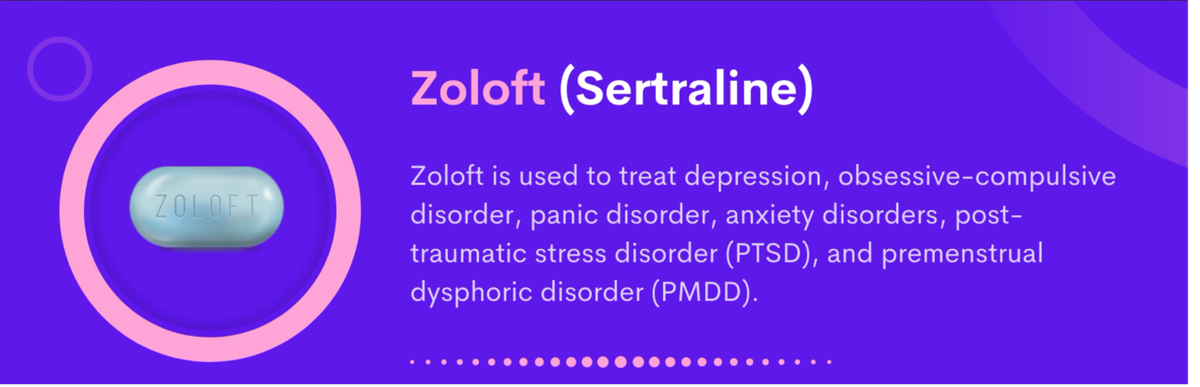
Zoloft is a prescription medication containing the active ingredient sertraline, which belongs to a class of drugs called selective serotonin reuptake inhibitors (SSRIs). Here are some important things to know about Zoloft:
- Zoloft Uses: Zoloft is primarily prescribed for the treatment of mental health conditions such as depression, obsessive-compulsive disorder (OCD), panic disorder, social anxiety disorder, post-traumatic stress disorder (PTSD), and premenstrual dysphoric disorder (PMDD).
- How it works: Zoloft works by increasing the level of serotonin, a neurotransmitter, in the brain. This helps improve symptoms associated with the above-mentioned conditions.
- Dosage: The appropriate dosage of Zoloft may vary depending on the individual and the condition being treated. It is essential to follow your doctor's instructions regarding dosage and timing.
- Side effects: Common side effects of Zoloft may include nausea, diarrhea, vomiting, dizziness, dry mouth, insomnia, drowsiness, headache, and sexual problems. It is important to report any severe or persistent side effects to your healthcare provider.
- Precautions: Zoloft should not be taken if you are allergic to sertraline or any of the inactive ingredients in the medication. Inform your doctor about any medical conditions you have, especially liver or kidney problems, seizures, or a history of bipolar disorder. Zoloft may interact with other medications, so inform your doctor about any prescription, over-the-counter, or herbal products you are taking.
- Suicidal thoughts: In some cases, antidepressant medications, including Zoloft, have been associated with an increased risk of suicidal thoughts or behaviors, particularly in young adults. It is crucial to closely monitor any changes in mood or behavior while taking Zoloft and promptly report them to your healthcare provider.
- Pregnancy and breastfeeding: Zoloft may be used during pregnancy and breastfeeding, but the potential risks and benefits should be discussed with your doctor. It is important not to stop or change the medication without medical advice during pregnancy.
- Discontinuation: If you decide to stop taking Zoloft, it is generally recommended to do so gradually under your doctor's supervision to minimize the risk of withdrawal symptoms.
Remember to consult with your healthcare provider for personalized information about Zoloft, including specific instructions, possible interactions, and individual suitability. You may contact our providers about obtaining a prescription for zoloft online at 317-296-7707.
To schedule an appointment with Zalfi please click HERE.
This article is general information, not medical advice. It cannot diagnose you and is not a substitute for an evaluation by a licensed clinician.