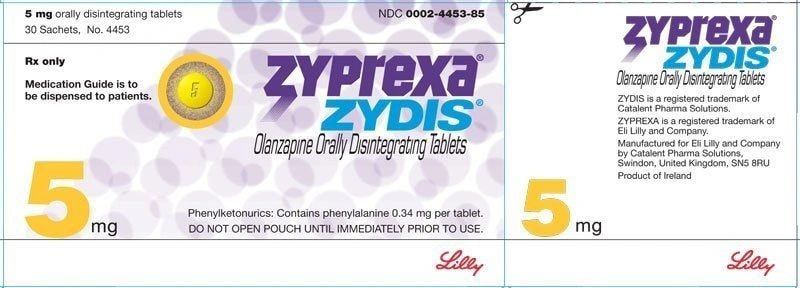
Zyprexa Zydis, also known by its generic name olanzapine ODT, is a medication used to treat certain mental or mood disorders. Here are some important things to know about Zyprexa:
- Indications: Zyprexa is primarily used to treat schizophrenia and bipolar disorder (manic or mixed episodes). Zyprexa uses may also include psychiatric conditions such as depression accompanying bipolar disorder.
- Mechanism of action: Zyprexa belongs to a class of medications known as atypical antipsychotics. It works by altering the activity certain chemicals in the brain, particularly dopamine and serotonin, thus helping to regulate mood and behavior.
- Administration: Zyprexa is available in various formulations including tablets, orally disintegrating tablets, and an extended-release injectable form. The appropriate dosage and form will depend on the specific condition being treated and individual factors.
- Side effects: Like any medication, Zyprexa can cause side effects. Common side effects may include weight gain, drowsiness, dizziness, constipation, dry mouth, and increased appetite. It may also lead to metabolic changes such as elevated blood sugar or lipid levels.
- Monitoring: Regular monitoring of blood sugar, lipids, and weight is often recommended while taking Zyprexa, as it can sometimes lead to metabolic disturbances. Your doctor may also check for any signs of movement disorders or changes in cognition.
- Long-term effects: Prolonged use of Zyprexa may increase the risk of developing metabolic syndrome, diabetes, or tardive dyskinesia (involuntary movements). However, these risks vary among individuals, and it is important to weigh the benefits against potential risks.
- Precautions: Zyprexa should not be abruptly stopped without consulting your doctor, as this can cause withdrawal symptoms. It is important to follow your doctor's instructions regarding dosage adjustments or discontinuation.
- Contraindications: Zyprexa should not be used in patients with a known hypersensitivity to olanzapine or those at risk of developing a life-threatening condition called NMS (Neuroleptic Malignant Syndrome).
- Drug interactions: It is crucial to inform your doctor about any other medications, supplements, or herbal products you are taking, as they may interact with Zyprexa. Certain drugs, like fluoxetine or fluvoxamine, can increase blood levels of Zyprexa.
- Pregnancy and breastfeeding: Zyprexa should be used during pregnancy only if the potential benefits outweigh the risks. It may pass into breast milk, so consulting with your doctor is important if you are breastfeeding.
It is important to discuss the potential benefits and risks of Zyprexa with your doctor, as they can provide personalized advice based on your specific condition and medical history.
To schedule an appointment with Zalfi please click HERE.
This article is general information, not medical advice. It cannot diagnose you and is not a substitute for an evaluation by a licensed clinician.