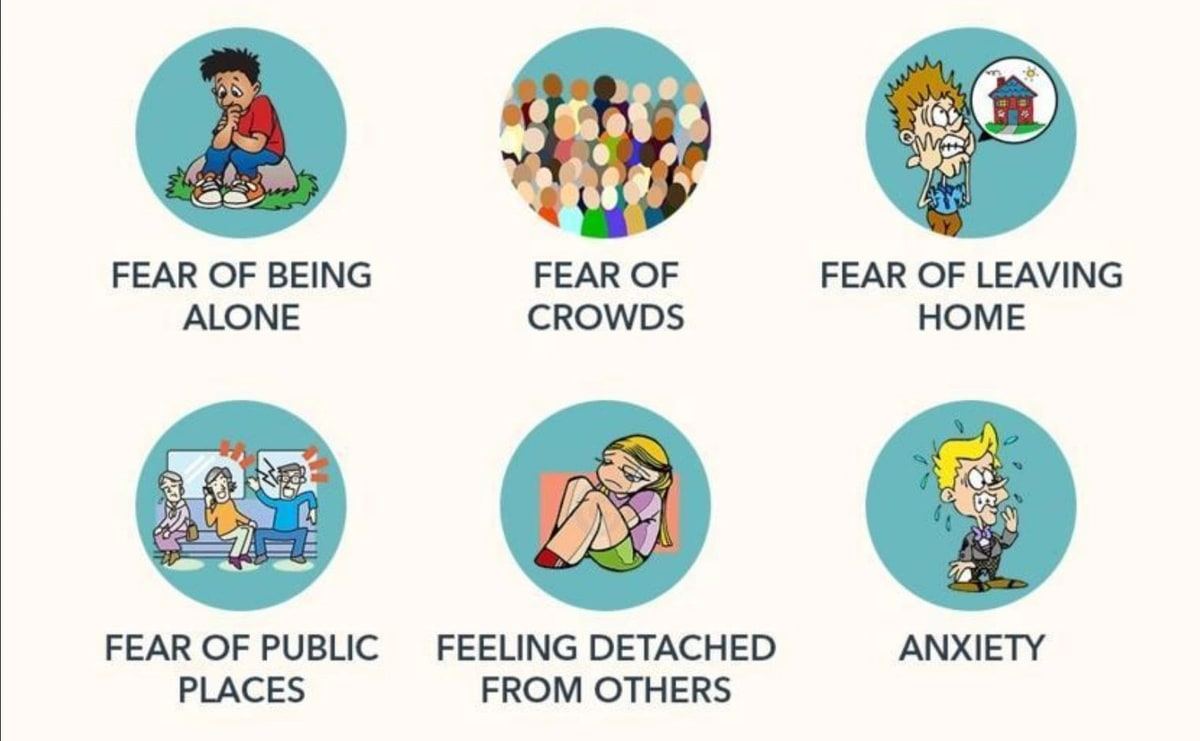
Agoraphobia is a type of anxiety disorder that can greatly impact a person's ability to function in everyday life. It is characterized by an intense fear of being in situations where escape may be difficult or help may not be available in the event of a panic attack. This can lead to a person avoiding certain places or situations, such as crowded areas, public transportation, or even leaving their home altogether.
The fear of having a panic attack in public or being unable to escape can be debilitating for those with agoraphobia, as it can limit their ability to work, socialize, or even take care of basic needs such as grocery shopping or going to the doctor. This fear can also lead to feelings of isolation and loneliness, as individuals may become increasingly isolated from the outside world.
Symptoms of agoraphobia may include panic attacks, rapid heartbeat, sweating, trembling, and feelings of dread or impending doom. These symptoms can be distressing and overwhelming, leading to a cycle of anxiety and avoidance that can be difficult to break.
Agoraphobia treatment typically involves a combination of therapy, medication, and lifestyle changes. Cognitive-behavioral therapy (CBT) is often used to help individuals identify and challenge negative thought patterns and behaviors that contribute to their fear. Medications such as antidepressants or anti-anxiety medications may also be prescribed to help manage symptoms.
There are several medications that can be prescribed to help manage symptoms of agoraphobia, including:
- Selective serotonin reuptake inhibitors (SSRIs), such as sertraline (Zoloft), paroxetine (Paxil), or fluoxetine (Prozac)
- Serotonin-norepinephrine reuptake inhibitors (SNRIs), such as venlafaxine (Effexor)
- Benzodiazepines, such as clonazepam (Klonopin) or alprazolam (Xanax), although these are typically used on a short-term basis due to the risk of dependence
- Beta blockers, such as propranolol, which can help manage physical symptoms of anxiety like rapid heartbeat
- Tricyclic antidepressants, such as imipramine or nortriptyline
In addition to therapy and medication, lifestyle changes such as regular exercise, relaxation techniques, and gradual exposure to feared situations can also be helpful in managing agoraphobia. Support from friends, family, and support groups can also be instrumental in helping individuals cope with their anxiety and regain control of their lives.
It's important for individuals with agoraphobia to seek help from a mental health professional if they are struggling to cope with their symptoms. With the right treatment and support, it is possible to manage agoraphobia and regain a sense of control and independence in one's life. Remember, you are not alone in this struggle and there is help available to support you on your journey to recovery.
To schedule an appointment with Zalfi please click HERE.
This article is general information, not medical advice. It cannot diagnose you and is not a substitute for an evaluation by a licensed clinician.