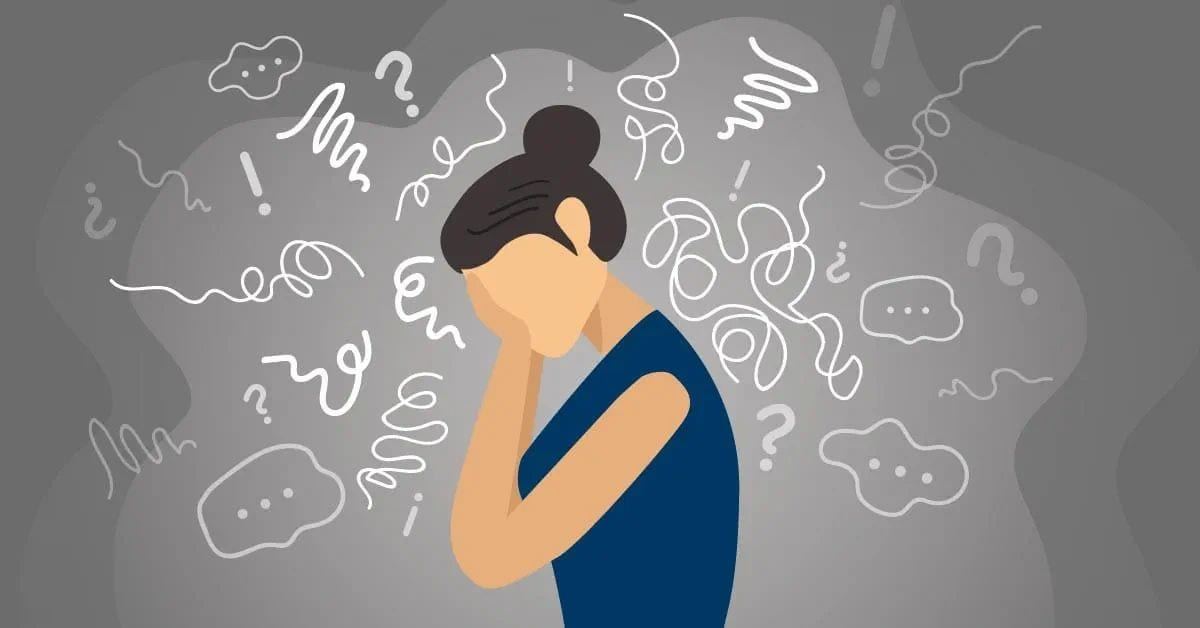
Fear and Anxiety
Anxiety and fear are two emotions that are often used interchangeably, but they are actually quite different. While they can both be triggered by threatening or stressful situations, they have different causes, symptoms, and effects on our bodies and minds. In this blog, we will explore the key differences between anxiety and fear and how to distinguish between the two.
Anxiety is a feeling of worry, nervousness, or unease about something with an uncertain outcome. It can be triggered by a variety of factors such as work, relationships, health, or finances. Anxiety is a normal and natural response to stress, but when it becomes chronic or overwhelming, it can interfere with daily activities and affect your physical and mental well-being.
Fear, on the other hand, is a response to a real or perceived threat. It is an immediate, intense emotion that triggers the fight-or-flight response, preparing the body to either confront the threat or escape from it. Fear is a survival mechanism that helps us respond quickly to danger and protect ourselves from harm.
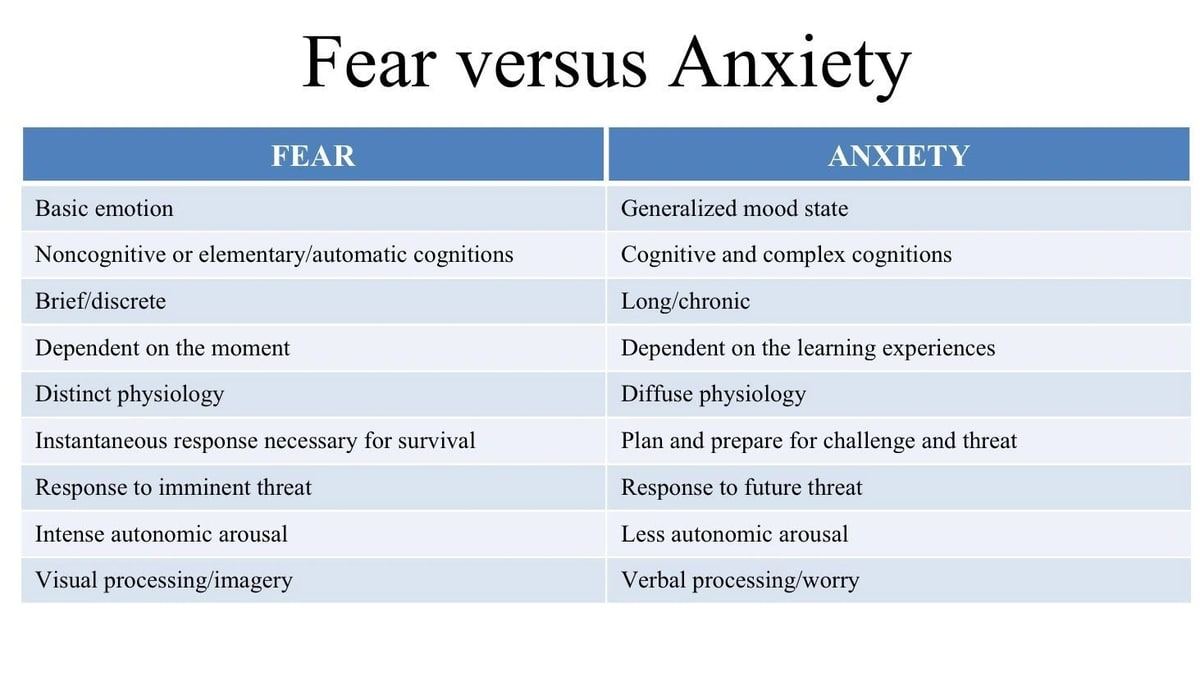
One of the key differences between anxiety and fear is the source of the emotion. Anxiety is often driven by uncertainty and worry about the future, while fear is triggered by a specific threat in the present moment. For example, someone with anxiety may feel anxious about an upcoming presentation at work because they are worried about messing up or being judged by others. On the other hand, someone experiencing fear may feel afraid of a barking dog running towards them on the street.
Another difference between anxiety and fear is the intensity and duration of the emotion. Fear is typically short-lived and focused on a specific threat, causing a rapid physical response such as increased heart rate, sweating, and adrenaline release. Once the threat is resolved or removed, the fear subsides. In contrast, anxiety can be more persistent and long-lasting, causing ongoing feelings of worry and tension. Chronic anxiety can lead to physical symptoms such as headaches, muscle tension, and stomach issues.
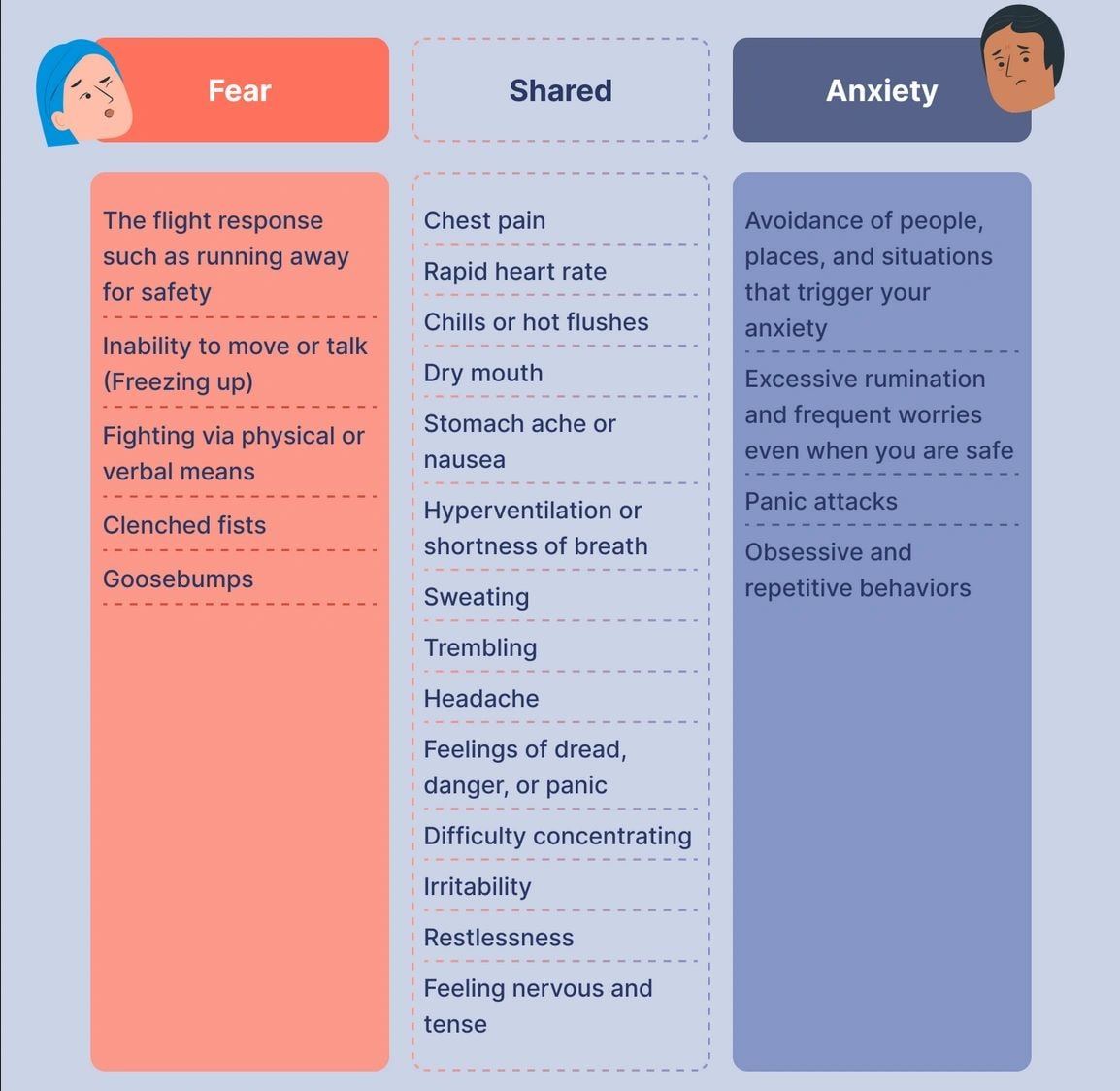
The symptoms of anxiety and fear can also manifest differently. While both emotions can cause physical symptoms such as racing heartbeat, shortness of breath, and trembling, anxiety is more likely to be associated with cognitive symptoms such as racing thoughts, difficulty concentrating, and excessive worry. Fear, on the other hand, may be more focused on the immediate danger at hand, leading to a narrowed focus and heightened awareness of the threat.
In terms of coping mechanisms, anxiety and fear may require different approaches. Fear is often best managed by confronting or avoiding the specific threat, depending on the situation. For example, if you are afraid of spiders, you may choose to remove yourself from the room or seek help from someone else. Anxiety, on the other hand, may benefit from relaxation techniques, cognitive-behavioral therapy, or medication to help manage the underlying causes of worry and stress.
It is important to recognize the differences between anxiety and fear in order to address them effectively. If you are experiencing persistent feelings of anxiety or fear that are impacting your daily life, it may be helpful to seek support from a mental health professional. By understanding the root causes of your emotions and learning healthy coping strategies, you can take control of your mental well-being and live a more balanced and fulfilling life.
To schedule an appointment with Zalfi please click HERE.
This article is general information, not medical advice. It cannot diagnose you and is not a substitute for an evaluation by a licensed clinician.