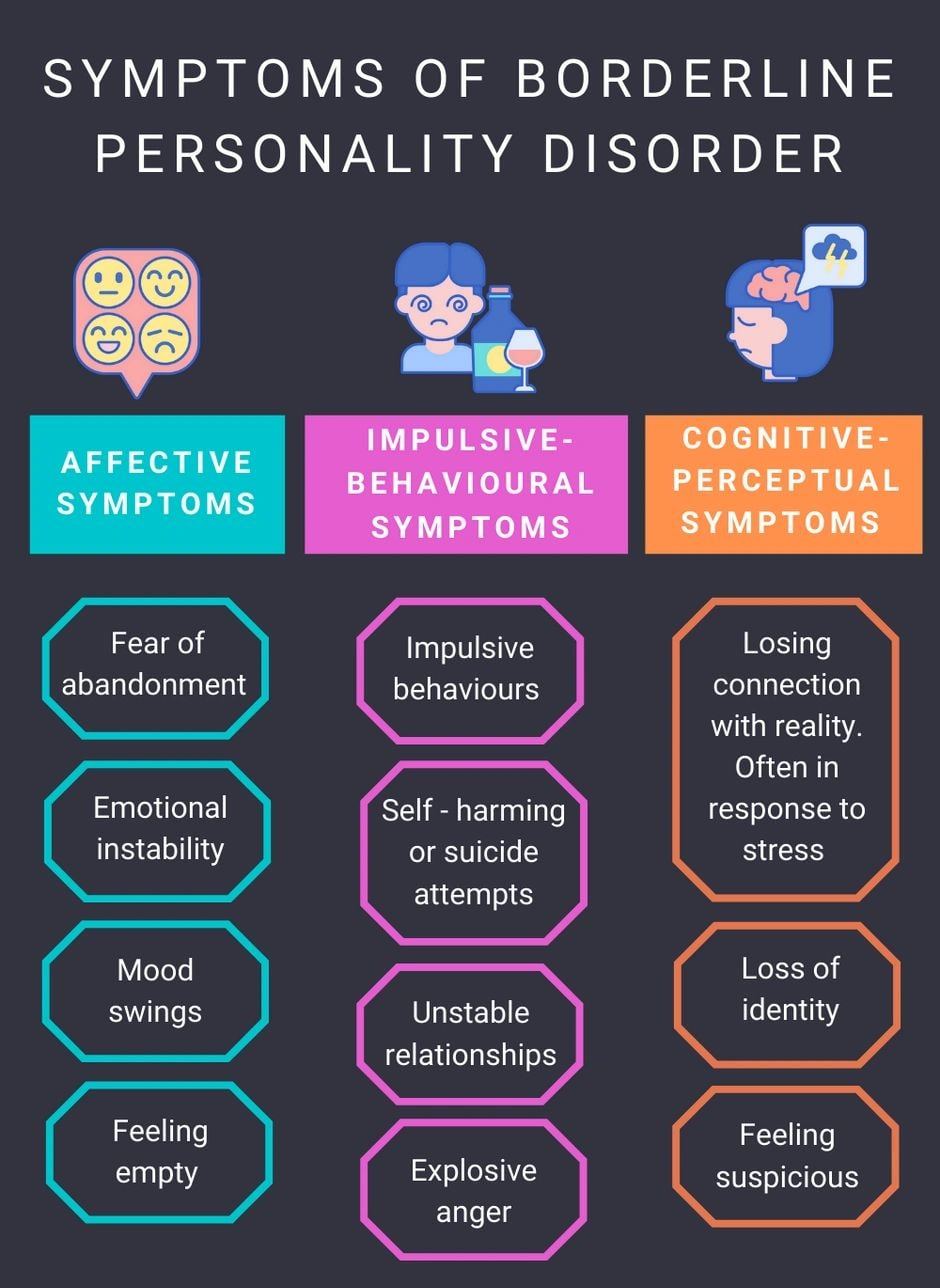
Borderline Personality Disorder (BPD) is a complex mental health condition that affects the way a person thinks, feels, and behaves. Here are some important things to know about BPD:
- Borderline Personality Disorder Symptoms: People with BPD often experience intense emotional instability and have difficulty regulating their emotions. They may also have chronic feelings of emptiness, engage in impulsive and risky behaviors, have unstable and intense relationships, exhibit self-destructive tendencies, and experience challenges with their self-identity.
- Prevalence: BPD is estimated to affect around 1-2% of the general population. It is more common in women and often begins during adolescence or early adulthood.
- Causes: The exact causes of BPD are not fully understood, but it is believed to be a combination of genetic, environmental, and neurobiological factors. Traumatic experiences, such as childhood abuse or neglect, can also increase the risk of developing BPD.
- Misunderstandings and stigma: People with BPD often face stigma and misunderstandings due to the misconceptions surrounding the disorder. It is important to remember that BPD is a legitimate mental health condition and not simply a personality flaw or a choice.
- Co-occurring conditions: BPD commonly co-occurs with other mental health disorders, such as depression, anxiety, substance use disorders, and eating disorders. These additional conditions can complicate diagnosis and treatment.
- Borderline Personality Disorder Treatment options: While BPD is a challenging condition, there are effective treatments available. Dialectical Behavior Therapy (DBT) is considered the gold standard treatment for BPD. It focuses on teaching skills for emotional regulation, interpersonal effectiveness, distress tolerance, and mindfulness. Medication may also be prescribed to manage specific symptoms or co-occurring conditions.
- Positive outcomes: With appropriate treatment and support, many individuals with BPD can experience significant improvement in their symptoms and quality of life. It is important to seek help early and engage in ongoing therapy to maximize the chances of positive outcomes.
- Support is crucial: BPD can significantly impact relationships and social interactions. Supporting someone with BPD entails being patient, empathetic, and understanding. However, it is also essential to establish healthy boundaries and encourage them to seek professional help.
- Self-care and self-help: Individuals with BPD can benefit from self-care practices like mindfulness, healthy coping mechanisms, and finding a support network. Learning about the disorder, engaging in therapy, and practicing self-compassion are all important aspects of self-help.
It is important to consult with a mental health professional or a healthcare provider for a comprehensive understanding of borderline personality disorder and to seek personalized guidance and treatment options.
To schedule an appointment with Zalfi please click HERE.
This article is general information, not medical advice. It cannot diagnose you and is not a substitute for an evaluation by a licensed clinician.