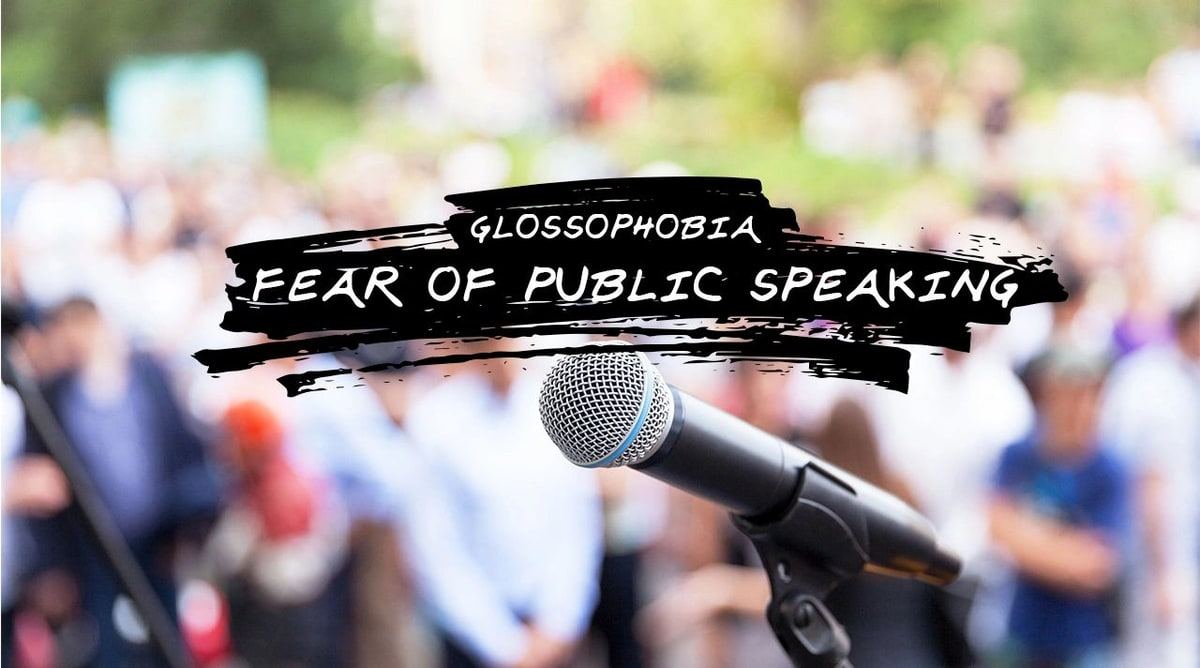
Fear of Public Speaking (Glossophobia)
- Public speaking anxiety, also known as glossophobia, is a common fear that many people experience. It is estimated that around 75% of individuals experience some level of anxiety when speaking in front of an audience.
- Symptoms of public speaking anxiety may include butterflies in the stomach, sweaty palms, rapid heartbeat, dry mouth, trembling or shaking, and difficulty concentrating. These physical sensations are often accompanied by feelings of fear, self-consciousness, or a fear of being judged or humiliated.
- Public speaking anxiety can affect anyone, regardless of their level of experience or expertise. Even experienced speakers or performers can experience anxiety before or during a presentation. It is essential to remember that anxiety is a normal response to a stressful situation.
- The fear of public speaking is often rooted in the fear of judgment or rejection. Many individuals worry about making mistakes, embarrassing themselves, or not meeting others' expectations. Understanding and challenging these negative thoughts can help alleviate anxiety.
- Preparation is key to overcoming anxiety in public speaking. By thoroughly preparing and practicing your speech or presentation, you will feel more confident and in control. Practice in front of a mirror or with a trusted friend or family member to gain feedback and build confidence.
- Deep breathing exercises and relaxation techniques can help manage anxiety before and during a presentation. Taking slow, deep breaths and focusing on relaxing your muscles can help calm your nerves and reduce physical symptoms of anxiety.
- Visualizing a successful outcome can also help reduce anxiety. Imagine yourself delivering a confident and engaging presentation, receiving positive feedback, and feeling proud of your performance. Positive visualization can help build confidence and reduce anxiety.
- It can be beneficial to start with smaller speaking opportunities to gradually build confidence. Consider joining a public speaking club or participating in low-stakes speaking engagements, such as presenting to a small group of friends or colleagues, before tackling larger audiences.
- Remember, it's okay to make mistakes. No one is perfect, and audience members are often understanding and empathetic. Focus on delivering your message and engaging with your audience rather than striving for perfection.
- Seeking professional help, such as therapy or counseling, can also be beneficial for individuals with severe public speaking anxiety. Therapists can provide strategies and support to help manage and overcome anxiety in public speaking situations.
Overall, public speaking anxiety is common, but with practice, preparation, and self-help strategies, it can be effectively managed. Remember that everyone has the potential to become a confident and effective public speaker, and anxiety should not limit your success in this area.
To schedule an appointment with Zalfi please click HERE.
This article is general information, not medical advice. It cannot diagnose you and is not a substitute for an evaluation by a licensed clinician.