
Neurotransmitters are chemical substances that play a crucial role in transmitting signals between neurons (nerve cells) in the brain and the rest of the body. They are responsible for transmitting information across the synapse, which is the small gap between neurons.
Some examples of neurotransmitters include:
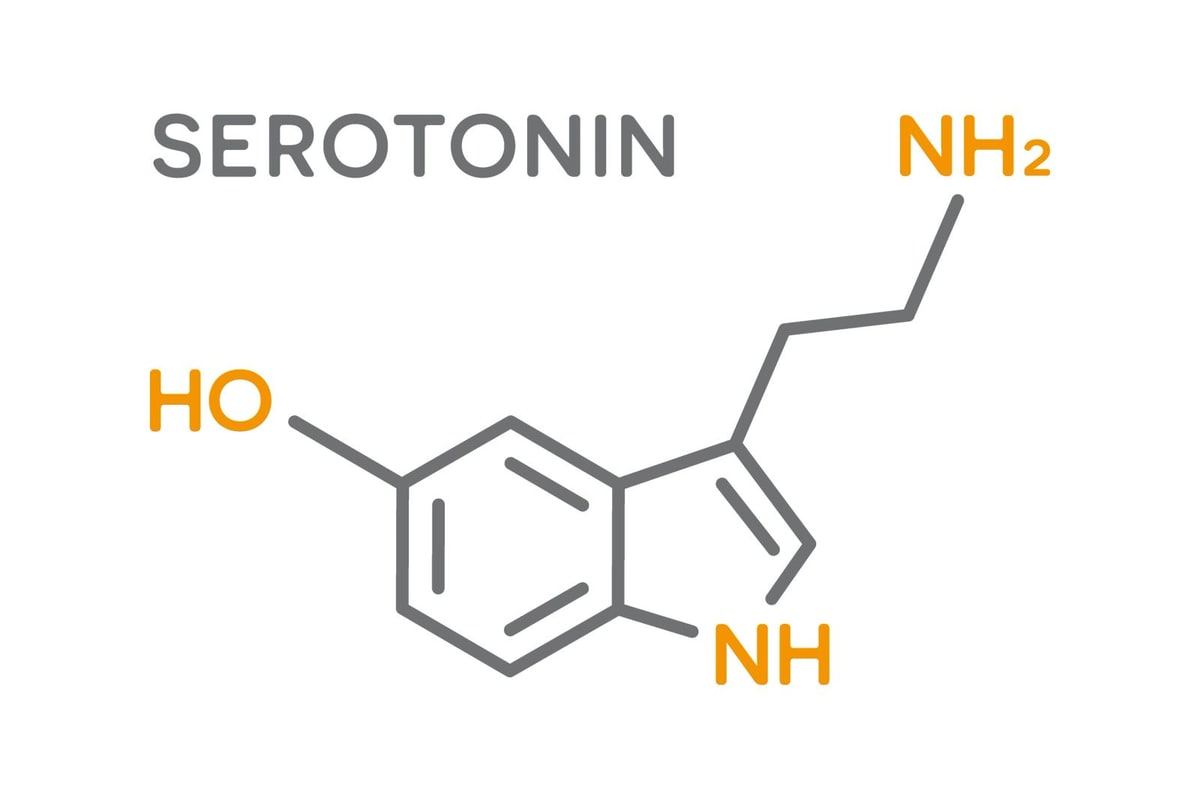
- Serotonin: Regulates mood, sleep, and appetite. Imbalances in serotonin levels are associated with conditions like depression and anxiety.
- Dopamine: Involved in reward and pleasure pathways, as well as movement control. It plays a role in motivation, addiction, and schizophrenia.
- Acetylcholine: Plays a critical role in motor function, memory, and learning. Low levels of acetylcholine are associated with Alzheimer's disease.
- GABA (Gamma-Aminobutyric Acid): Acts as an inhibitory neurotransmitter, reducing neuronal activity and promoting relaxation. It helps to counterbalance excitatory neurotransmitters and is implicated in anxiety disorders.
- Glutamate: Functions as an excitatory neurotransmitter and is involved in learning, memory, and cognition. Excessive glutamate signaling can lead to neuronal cell death, potentially contributing to neurodegenerative diseases like Alzheimer's.

These are just a few examples of the many neurotransmitters in the brain. Each neurotransmitter has specific functions and abnormalities in their levels or functioning can contribute to various neurological and psychiatric disorders.
TCAs
Tricyclic antidepressants (TCAs) are a class of medications used primarily to treat depression. They work by blocking the reuptake of certain neurotransmitters in the brain, including serotonin and norepinephrine. By increasing the levels of these neurotransmitters, TCAs help regulate mood and relieve depressive symptoms.
TCAs were one of the earliest classes of antidepressants developed and were commonly used before the advent of selective serotonin reuptake inhibitors (SSRIs) and other newer antidepressants. They are still prescribed in certain cases where other medications have been ineffective or when specific symptoms, such as sleep disruption or chronic pain, are present.
Some commonly prescribed tricyclic antidepressants include:
- Amitriptyline (Elavil)
- Imipramine (Tofranil)
- Nortriptyline (Pamelor)
- Desipramine (Norpramin)
- Doxepin (Sinequan)
- Clomipramine (Anafranil)
- Trimipramine (Surmontil)
While effective in treating depression, tricyclic antidepressants can have significant side effects, including drowsiness, dizziness, dry mouth, constipation, blurred vision, weight gain, and sexual dysfunction. They also carry the risk of overdose, which can be fatal. Therefore, close monitoring by a healthcare professional is necessary during treatment with TCAs.
As with any antidepressant medication, TCAs should only be taken under the guidance of a healthcare professional who will assess the individual's specific needs and monitor their response to the medication.
MAOIs
Monoamine oxidase inhibitors (MAOIs) are a class of antidepressant drugs that work by inhibiting the activity of the enzyme monoamine oxidase, which is responsible for breaking down neurotransmitters such as serotonin, dopamine, and norepinephrine in the brain. By inhibiting this enzyme, MAOIs increase the levels of these neurotransmitters, which can help alleviate symptoms of depression.
MAOIs are typically used as a last resort treatment for depression when other antidepressant medications have not been effective. They have also been used to treat other mental health conditions such as social anxiety disorder and panic disorder.
However, MAOIs can have serious side effects and require strict dietary restrictions due to potential interactions with certain foods and medications. Foods containing high levels of tyramine, such as aged cheese, fermented or air-dried meats, certain types of beer and wine, and some fruits and vegetables, can cause a dangerous increase in blood pressure when consumed with MAOIs.
As a result of their potential risks and interactions, MAOIs are not commonly prescribed and are usually reserved for specific cases where other treatment options have failed. It is important to consult with a healthcare professional and follow their guidelines when taking MAOIs.
NDRIs
Norepinephrine and dopamine reuptake inhibitors (NDRI) are a class of antidepressant medications that work by blocking the reuptake of both norepinephrine and dopamine in the brain. By inhibiting the reuptake, these drugs increase the levels of these neurotransmitters in the brain, which can help to improve mood and reduce symptoms of depression.
Some commonly prescribed NDRIs include bupropion (Wellbutrin) and methylphenidate (Ritalin). Bupropion is primarily used as an antidepressant and to aid smoking cessation, while methylphenidate is mainly prescribed for attention deficit hyperactivity disorder (ADHD).
NDRIs have shown efficacy in treating depression and other mood disorders. Additionally, due to their dual-action mechanism, they can also have stimulating effects and may be useful for individuals with symptoms of low energy or fatigue. NDRIs are generally well-tolerated, but like any medication, they can have potential side effects, including insomnia, headache, and increased heart rate.
It's important to note that NDRIs should only be taken under the supervision of a healthcare professional, as they may interact with other medications and have specific dosing requirements. Additionally, like all antidepressants, they typically take several weeks to achieve full effectiveness, so patience is necessary when starting these medications.
SARIs
Serotonin antagonists and reuptake inhibitors (SARIs) are a class of drugs that work by blocking the receptors for serotonin and inhibiting its reuptake.
These drugs are primarily used as antidepressants, although they may also have other uses such as treating anxiety disorders or insomnia. By blocking the receptors for serotonin, SARIs increase the levels of serotonin in the brain, which can help improve mood and relieve symptoms of depression.
Some common examples of SARIs include trazodone, nefazodone, and vilazodone. These drugs are typically taken orally and can have a variety of side effects, such as drowsiness, dizziness, and nausea. It is important to note that SARIs should not be used with other medications that increase serotonin levels, as this can lead to a potentially dangerous condition called serotonin syndrome.
Overall, serotonin antagonists and reuptake inhibitors can be an effective treatment option for individuals with depression or other related conditions. However, it is essential to work closely with a healthcare provider to determine the appropriate dosage and monitor for any potential side effects.
Atypical Antipsychotics
Atypical antipsychotics are sometimes used in the treatment of depression, especially when other antidepressant medications have been ineffective. These medications are typically used as an adjunct to the primary antidepressant treatment.

Some examples of atypical antipsychotics that may be prescribed for depression include:
- Aripiprazole (Abilify)
- Quetiapine (Seroquel)
- Olanzapine (Zyprexa)
- Vraylar (Cariprazine)
These medications work by modulating the levels of certain neurotransmitters in the brain such as dopamine and serotonin. They can help to alleviate symptoms of depression, including low mood, lack of motivation, and feelings of hopelessness.
It is important to note that atypical antipsychotics come with potential side effects, such as weight gain, sedation, increased blood sugar levels, and potential movement disorders. Therefore, the decision to use these medications should be made in consultation with a healthcare professional who can assess the risks and benefits for each individual.
Treatment Resistant Depression
Treatment-resistant depression (TRD), also known as treatment-refractory depression, is a condition in which depressive symptoms persist despite adequate treatment with antidepressant medications. It is estimated that around 30% of people with depression experience TRD at some point in their lives.

The exact causes of TRD are not fully understood, but several factors may contribute to its development. These include genetic predisposition, a history of early-life trauma, comorbid psychiatric disorders, medical conditions, and inadequate treatment adherence.
Treatment options for TRD include:
- Medication adjustments: Switching to a different antidepressant or combining multiple medications to target different aspects of depression.
- Psychotherapy: Cognitive-behavioral therapy (CBT), dialectical behavior therapy (DBT), or interpersonal therapy (IPT) can be effective in managing TRD.
- Electroconvulsive therapy (ECT): This involves administering electrical currents to the brain to induce controlled seizures. ECT is particularly useful for severe or life-threatening depression.
- Transcranial magnetic stimulation (TMS): TMS uses magnetic fields to stimulate nerve cells in the brain regions involved in mood regulation. It is a non-invasive procedure and may be effective for some individuals with TRD.
- Ketamine infusion therapy Ketamine, an anesthetic, has shown promise in rapidly reducing depressive symptoms. It is typically intravenously in a controlled medical setting. Many patients have also considered Spravato (esketamine).
- Augmentation strategies: Adding non-idepressant medications like lithium, atypical antipsychotics, or thyroid hormones may enhance the effectiveness of antidepressants.
- Lifestyle modifications: Regular exercise, maintaining a healthy diet, getting enough sleep, and practicing stress management techniques can also play a role in managing TRD.
It is important for individuals with TRD to work closely with their healthcare providers to develop an individualized treatment plan. It may involve a combination of different approaches, and it may take time to find the most effective treatment strategy. Contact our office today for more information on various treatment options.
To schedule an appointment with Zalfi please click HERE.
This article is general information, not medical advice. It cannot diagnose you and is not a substitute for an evaluation by a licensed clinician.