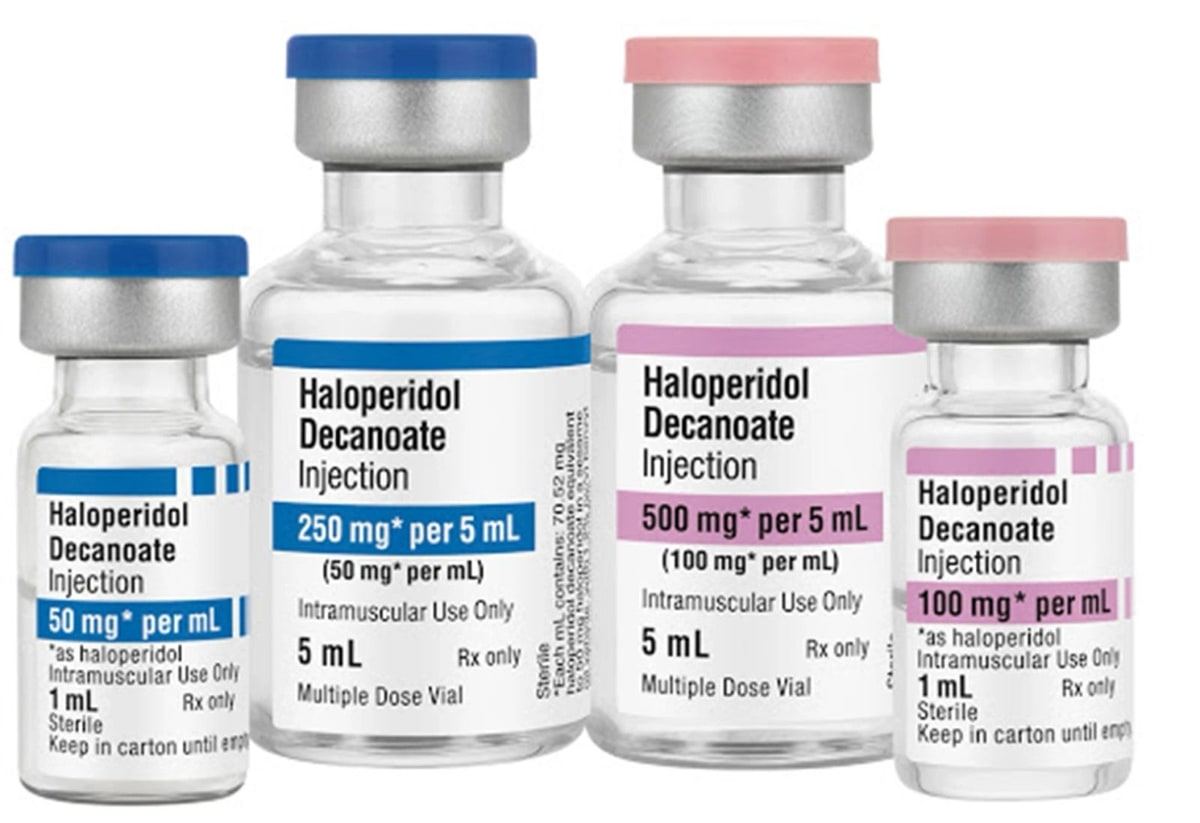
Haldol, also known by its generic name haloperidol, is an antipsychotic medication commonly prescribed to treat conditions such as schizophrenia and bipolar disorder. Here are some important things to know about Haldol:
- Uses: Haldol medication is primarily used to manage psychotic disorders, including acute and chronic schizophrenia, schizoaffective disorder, and other conditions exhibiting symptoms like delusions, hallucinations, disorganized thinking, and agitation. It can also be administered to control severe behavioral problems in certain dementia patients.
- Mechanism of action: Haldol works by blocking the effects of dopamine, a neurotransmitter in the brain, to help stabilize and regulate a person's mental state.
- Administration: Haldol can be taken orally as tablets or liquid, or it can be given as an intramuscular injection for faster symptom relief. The dosage and mode of administration are determined by a healthcare professional based on individual needs.
- Side effects: Common side effects of Haldol include drowsiness, dizziness, restlessness, dry mouth, constipation, blurred vision, and weight gain. It can also cause more serious side effects such as movement disorders (such as stiffness, tremors, or uncontrollable muscle spasms), neuroleptic malignant syndrome (a potentially life-threatening condition), and other allergic reactions. Contact a healthcare professional if any concerning side effects occur.
- Interactions: Haldol can interact with other medications, such as certain antidepressants, anticonvulsants, and sedatives. It's important to inform your healthcare provider about all the medications you are taking to prevent any harmful interactions.
- Precautions: Haldol may not be suitable for everyone, particularly those with a history of Parkinson's disease, liver or kidney problems, heart conditions, or low white blood cell counts. Additionally, it may not be safe during pregnancy or while breastfeeding. Discuss your medical history and any potential risks with your healthcare provider.
- Regular monitoring: Individuals taking Haldol may require regular check-ups to monitor their symptoms, medication effectiveness, and any potential side effects.
- Withdrawal: Haldol should not be abruptly stopped without medical guidance, as sudden discontinuation can lead to withdrawal symptoms such as nausea, vomiting, insomnia, and anxiety. Consult your healthcare provider to safely taper off the medication if needed.
Remember, this information is not exhaustive, and it's crucial to consult a healthcare professional for personalized advice, medical guidance, and to address any concerns regarding Haldol.
To schedule an appointment with Zalfi please click HERE.
This article is general information, not medical advice. It cannot diagnose you and is not a substitute for an evaluation by a licensed clinician.