Nortriptyline (generic for pamelor) is a medication that is primarily used to treat depression. Here are some important things to know about this medication:
- Mechanism of action: Nortriptyline belongs to a class of medications called tricyclic antidepressants (TCAs). It works by increasing the levels of certain chemicals in the brain, such as serotonin and norepinephrine, which can help improve mood.
- Indications: Besides depression, the medicine pamelor (generic nortriptyline) may also be used to treat other conditions like anxiety disorders, chronic pain, migraines, and certain sleep disorders.
- Dosage: The recommended dose of nortriptyline varies depending on the individual and the condition being treated. It is typically started at a low dose and gradually increased to find the most effective dose.
- Administration: Nortriptyline is taken orally, usually once or twice daily. It can be taken with or without food, but it is recommended to take it at the same time(s) each day.
- Duration of treatment: The duration of nortriptyline treatment can vary depending on the individual and their response to the medication. It is usually prescribed for several months, and it is important to continue taking it as directed by your healthcare provider even if you start feeling better.
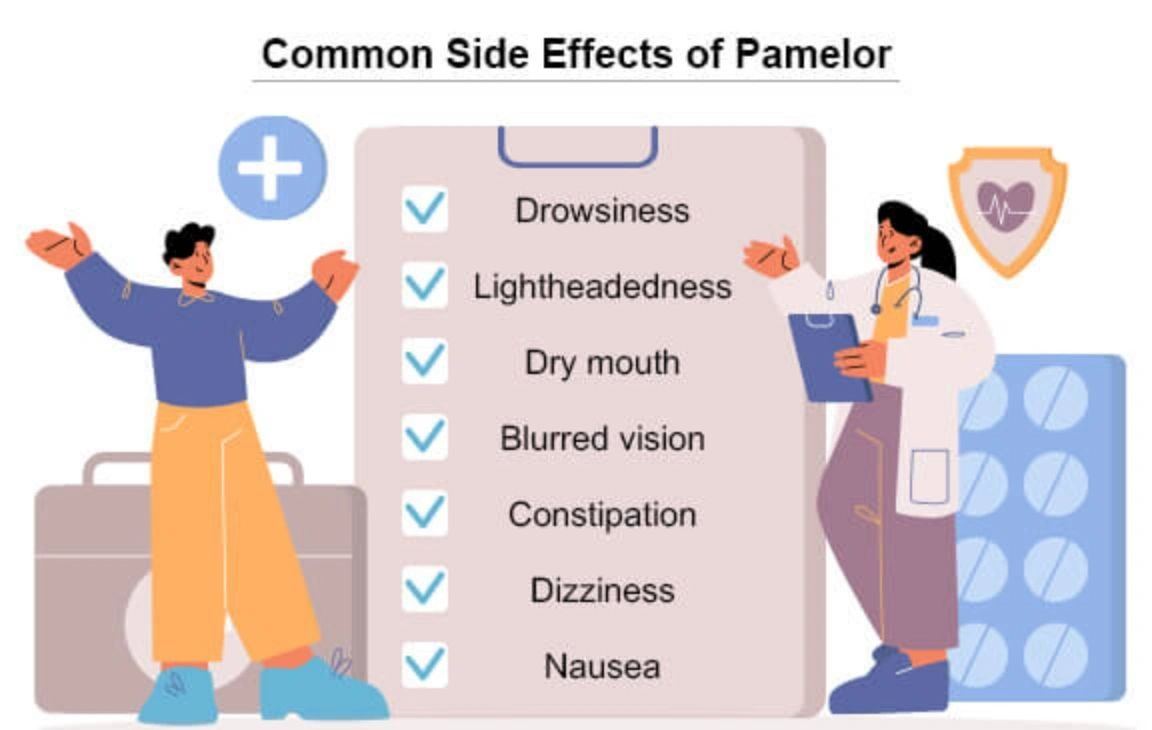
- Side effects: Nortriptyline can cause side effects, which can include dry mouth, constipation, blurred vision, drowsiness, dizziness, weight gain, and sexual dysfunction. These side effects are usually mild and go away as your body adjusts to the medication. However, if they become severe or persistent, it is important to inform your doctor.
- Precautions: Before starting nortriptyline, inform your healthcare provider about any medical conditions you have or any medications you are taking. Nortriptyline may interact with certain medications, so it is important to be cautious if you are taking other antidepressants, blood thinners, antipsychotics, or medications for high blood pressure.
- Suicide risk: Nortriptyline, like other antidepressants, may increase the risk of suicidal thoughts, especially in children, teenagers, and young adults. Close monitoring by your doctor is important, especially during the initial weeks of treatment.
- Withdrawal symptoms: If you plan to stop taking nortriptyline, it is important to gradually reduce the dose under the guidance of your healthcare provider. Abruptly stopping the medication can lead to withdrawal symptoms such as nausea, headache, irritability, and sleep disturbances.
- Pregnancy and breastfeeding: Nortriptyline should be used with caution during pregnancy and breastfeeding. It is important to discuss the potential risks and benefits with your healthcare provider if you are pregnant or planning to become pregnant.
It is essential to consult with your healthcare provider for personalized information and guidance regarding the use of nortriptyline.
To schedule an appointment with Zalfi please click HERE.
This article is general information, not medical advice. It cannot diagnose you and is not a substitute for an evaluation by a licensed clinician.