
Postpartum depression is a type of depression that affects mothers after giving birth. It is characterized by feelings of extreme sadness, fatigue, and anxiety, which can interfere with a mother's ability to care for herself and her baby. Postpartum depression can develop shortly after childbirth or within the first year postpartum.
Postpartum depression symptoms may include overwhelming sadness or despair, loss of interest or pleasure in activities, changes in appetite and sleep patterns, difficulty bonding with the baby, intense irritability or anger, feelings of guilt or worthlessness, and thoughts of self-harm or harming the baby.
There are several factors that can contribute to the development of postpartum depression, including hormonal changes, physical and emotional stress, lack of support, previous mental health issues, and a history of depression or anxiety.
Treatment for postpartum depression often involves a combination of therapy, such as cognitive-behavioral therapy or interpersonal therapy, and medication. Support from loved ones and participation in support groups can also be beneficial.
If you or someone you know is experiencing symptoms of postpartum depression, it is important to seek help from a healthcare professional. With appropriate treatment and support, most women recover from postpartum depression and are able to enjoy a healthy and fulfilling relationship with their baby.
Postpartum Depression Treatment
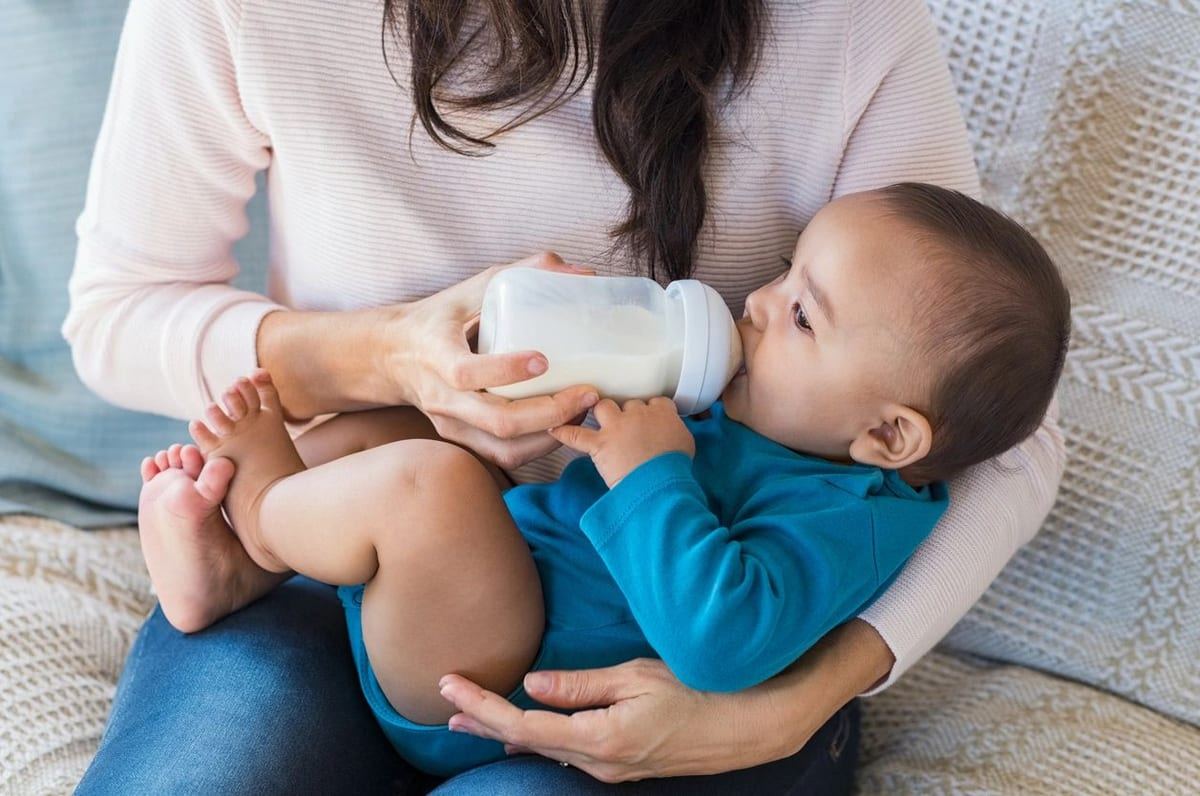
Postpartum depression, also known as postnatal depression, is a mood disorder that can affect women after childbirth. It is important to seek treatment for postpartum depression as it can have a significant impact on both the mother and the baby's well-being.
Here are some common treatment options for postpartum depression:
- Therapy: Psychotherapy, such as cognitive-behavioral therapy (CBT) or interpersonal therapy (IPT), can be highly effective in treating postpartum depression. Therapy helps individuals identify negative thought patterns and learn coping mechanisms to manage their emotions.
- Medication: In some cases, antidepressant medication may be prescribed to help manage the symptoms of postpartum depression. Selective serotonin reuptake inhibitors (SSRIs) are commonly prescribed antidepressants that can be safe for breastfeeding mothers.
- Support groups: Joining a support group of other women who have experienced postpartum depression can provide a safe space for sharing experiences, receiving support, and learning from others who have gone through similar struggles.
- Lifestyle changes: Making positive changes in lifestyle can also contribute to managing postpartum depression. This includes getting enough sleep, eating a healthy diet, exercising regularly, and practicing stress-reducing techniques like meditation or yoga.
- Social support: Building a strong support network is crucial for women with postpartum depression. Receiving help with childcare, household chores, or simply having someone to talk to can greatly alleviate the burden and provide emotional support.
It's important to consult a healthcare professional or mental health specialist to discuss the best treatment options for postpartum depression. Every individual's experience is different, and the treatment plan should be tailored to meet their specific needs. Contact us today for an evaluation.
To schedule an appointment with Zalfi please click HERE.
This article is general information, not medical advice. It cannot diagnose you and is not a substitute for an evaluation by a licensed clinician.