

Substance use refers to the consumption of drugs or other substances that have psychoactive effects on the central nervous system. This can include both legal substances, such as alcohol and prescription medications, as well as illegal drugs like marijuana, cocaine, and heroin.
Substance use can have both short-term and long-term effects on an individual's physical health, mental wellbeing, and overall functioning. It can lead to temporary euphoria, relaxation, or altered states of consciousness, but it can also result in negative consequences such as impaired judgment, coordination, and cognitive abilities.
Substance use can become problematic and develop into substance abuse or addiction when it interferes with an individual's daily life, relationships, and responsibilities. Addiction is characterized by compulsive drug seeking and use despite negative consequences.
Substance use disorders are recognized as medical conditions that require treatment and support. Treatment may involve a range of interventions, including counseling, behavioral therapies, and medications.
It is important to note that substance use disorders can affect anyone, regardless of age, gender, socioeconomic status, or background. Seeking help and support is crucial for individuals struggling with substance use disorders, as recovery is possible with the right assistance and resources.
Opioid Use Disorder

Opioid use disorder, also known as opioid addiction, is a medical condition characterized by the compulsive use of opioids despite negative consequences. Opioids are a class of drugs that include prescription medications like oxycodone, codeine, and morphine, as well as illegal substances like heroin.
Individuals with opioid use disorder often develop a tolerance to the drug, requiring higher amounts to achieve the same effect. They may also experience withdrawal symptoms if they try to stop or reduce their opioid use. These symptoms can include anxiety, irritability, nausea, vomiting, and muscle aches.
There are various factors that can contribute to the development of opioid use disorder, including genetic predisposition, environmental influences, and individual risk factors. Opioids can alter the brain's reward system, leading to a psychological and physical dependence on the drug.
Treatment for opioid use disorder often involves a combination of medication and behavioral therapy. Medications such as methadone, buprenorphine, and naltrexone can help reduce cravings and withdrawal symptoms. Behavioral therapies, such as cognitive-behavioral therapy and contingency management, can assist individuals in making positive changes to their behavior and develop coping strategies.
Opioid use disorder is a serious condition that can have devastating effects on an individual's physical and mental health, as well as their relationships and overall quality of life. Seeking professional help and support is crucial for managing and overcoming opioid addiction.
Naltrexone (Vivitrol)
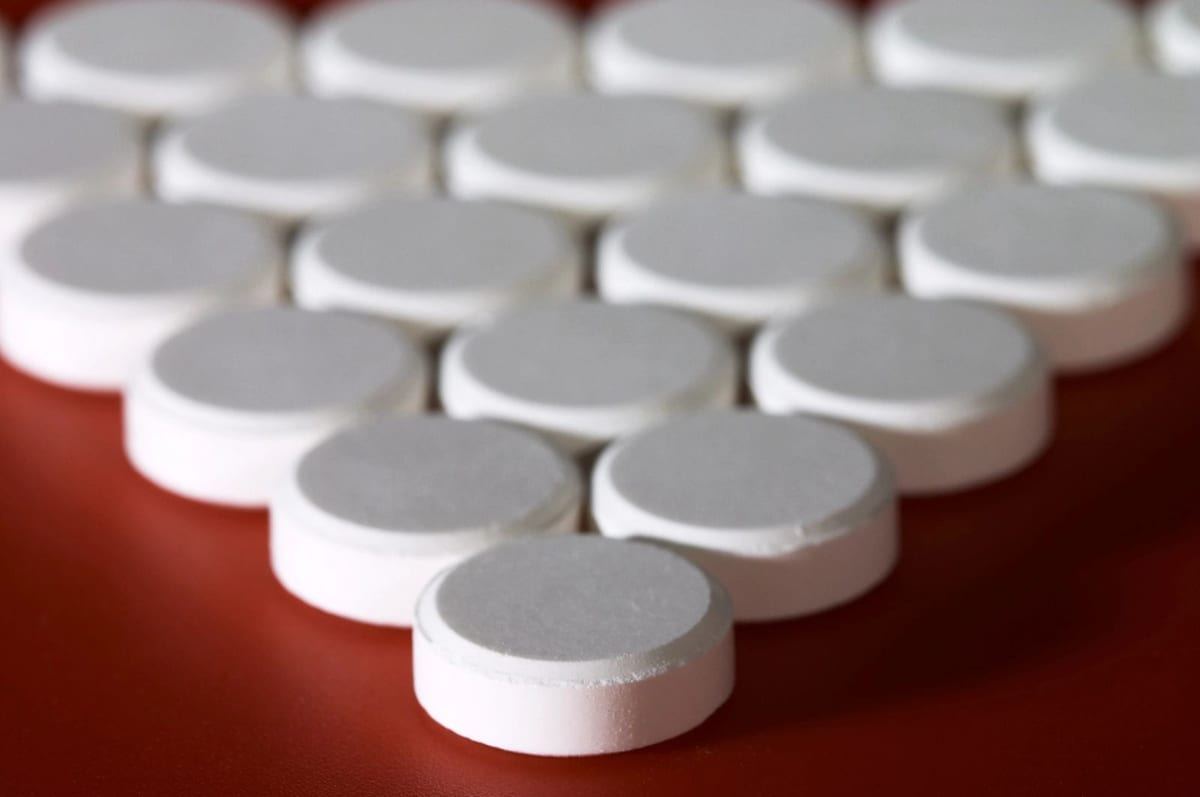
Naltrexone is a medication that is primarily used to treat alcohol and opioid dependence. It belongs to a class of drugs called opioid antagonists, which work by blocking the effects of opioids in the brain. This helps reduce cravings for opioids and alcohol and prevents the pleasurable effects of these substances.
Naltrexone can be taken orally in tablet form or as a monthly injection called Vivitrol. It is typically used as part of a comprehensive treatment program that may include counseling or therapy.
Some common side effects of naltrexone include nausea, headache, dizziness, and loss of appetite. It is important to discuss any medical conditions or medications you are taking with your doctor before starting naltrexone treatment.
Naltrexone should not be taken if you are currently using opioids or have recently stopped using them, as it can induce withdrawal symptoms. It is also not recommended for use in individuals with severe liver disease or a history of allergic reaction to naltrexone.
If you or someone you know is struggling with alcohol or opioid dependence, it is important to seek professional help and consider medication-assisted treatment options like naltrexone. Contact our office today for an evaluation.
To schedule an appointment with Zalfi please click HERE.
This article is general information, not medical advice. It cannot diagnose you and is not a substitute for an evaluation by a licensed clinician.