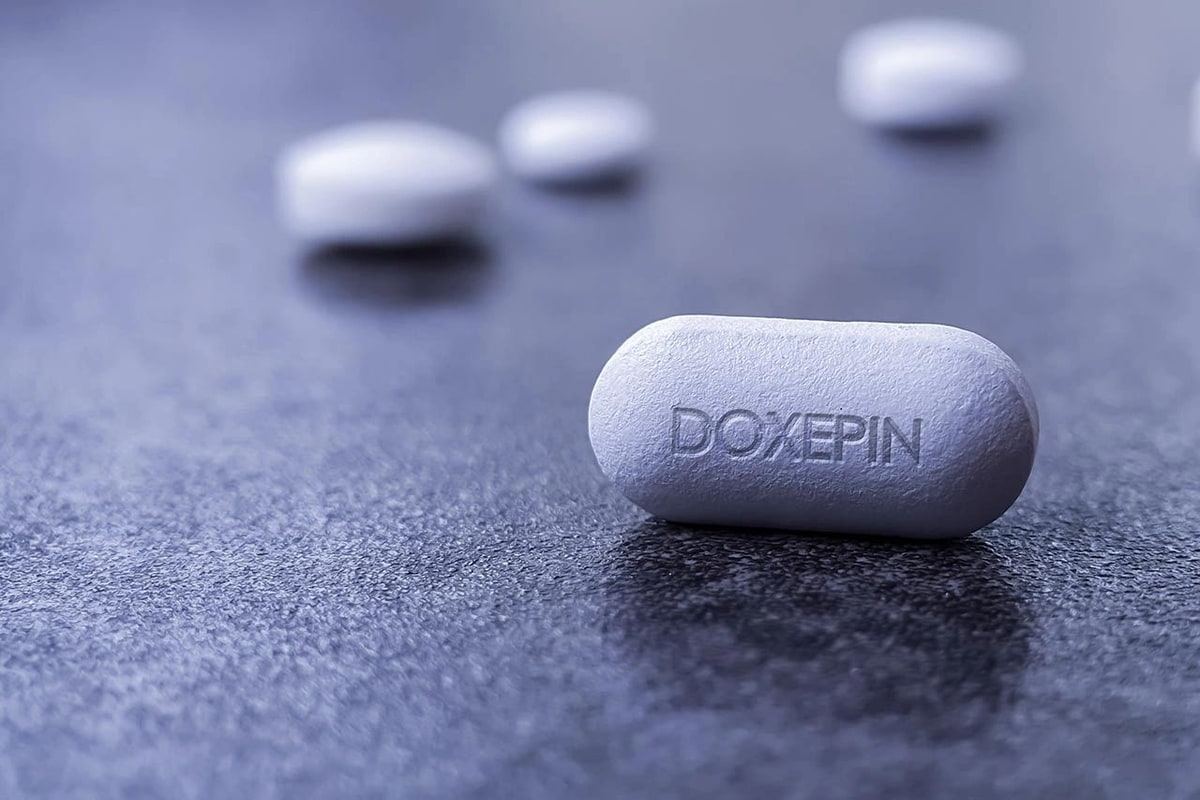
Doxepin (Silenor Generic) is a medication primarily used to treat depression and anxiety disorders. Here are some important things to know about doxepin:
- Mechanism of Action: Doxepin belongs to a class of medications called tricyclic antidepressants (TCAs). It works by increasing the levels of certain chemicals in the brain, such as serotonin and norepinephrine, which can improve mood and reduce anxiety.
- Indications (FDA approved and Off Label Use): Doxepin is primarily prescribed for the treatment of major depressive disorder, anxiety disorders (including generalized anxiety disorder and panic disorder), and doxepin for sleep disorders, such as insomnia.
- Dosage: The dosage of doxepin varies based on the condition being treated and individual patient response. It is typically taken orally in the form of capsules or tablets. The dosage may be adjusted by the healthcare provider based on the patient's response to the medication.
- Side Effects: Common side effects of doxepin include drowsiness, dizziness, dry mouth, constipation, blurred vision, urinary retention, and weight gain. It may also cause more serious side effects like irregular heart rhythms, suicidal thoughts, or allergic reactions. If you experience any severe or unusual side effects, contact your healthcare provider immediately.
- Precautions: Before taking doxepin, inform your healthcare provider about any existing medical conditions, allergies, or other medications you are taking. Doxepin may interact with certain medications, including MAO inhibitors, increasing the risk of serotonin syndrome. Avoid alcohol consumption while taking doxepin as it can potentiate the sedative effects of the medication.
- Withdrawal: Doxepin should not be abruptly discontinued. It is important to gradually reduce the dose under the guidance of a healthcare professional to prevent withdrawal symptoms such as nausea, headache, irritability, and sleep disturbances.
- Pregnancy and Lactation: Doxepin should be used with caution during pregnancy and breastfeeding. It is important to discuss the potential risks and benefits with your healthcare provider before taking the medication.
- Overdose: Taking more doxepin than prescribed can lead to an overdose. Symptoms of overdose may include confusion, rapid heartbeat, seizures, severe drowsiness, and difficulty breathing. Seek immediate medical attention if an overdose is suspected.
- Monitoring: Regular monitoring and follow-up with your healthcare provider are important while taking doxepin to assess the response and manage any side effects.
As with any medication, it is essential to follow your healthcare provider's instructions and consult them with any concerns or questions you may have regarding doxepin.
To schedule an appointment with Zalfi please click HERE.
This article is general information, not medical advice. It cannot diagnose you and is not a substitute for an evaluation by a licensed clinician.