
Effexor (generic effexor name - venlafaxine) is an antidepressant medication that belongs to the class of selective serotonin and norepinephrine reuptake inhibitors (SNRIs). Here are some key things you should know about Effexor:
- Uses: Effexor is primarily prescribed to treat major depressive disorder (MDD), generalized anxiety disorder (GAD), social anxiety disorder, and panic disorder. It can also be used off-label to manage certain other conditions.
- How it works: Effexor works by increasing the levels of certain neurotransmitters (serotonin and norepinephrine) in the brain, which helps improve mood and relieve symptoms of depression and anxiety.
- Dosage: The dosage of Effexor will vary depending on your specific condition and individual response. It is available in immediate-release tablets and extended-release capsules. Always follow your healthcare provider's instructions and do not adjust the dosage without consulting them.
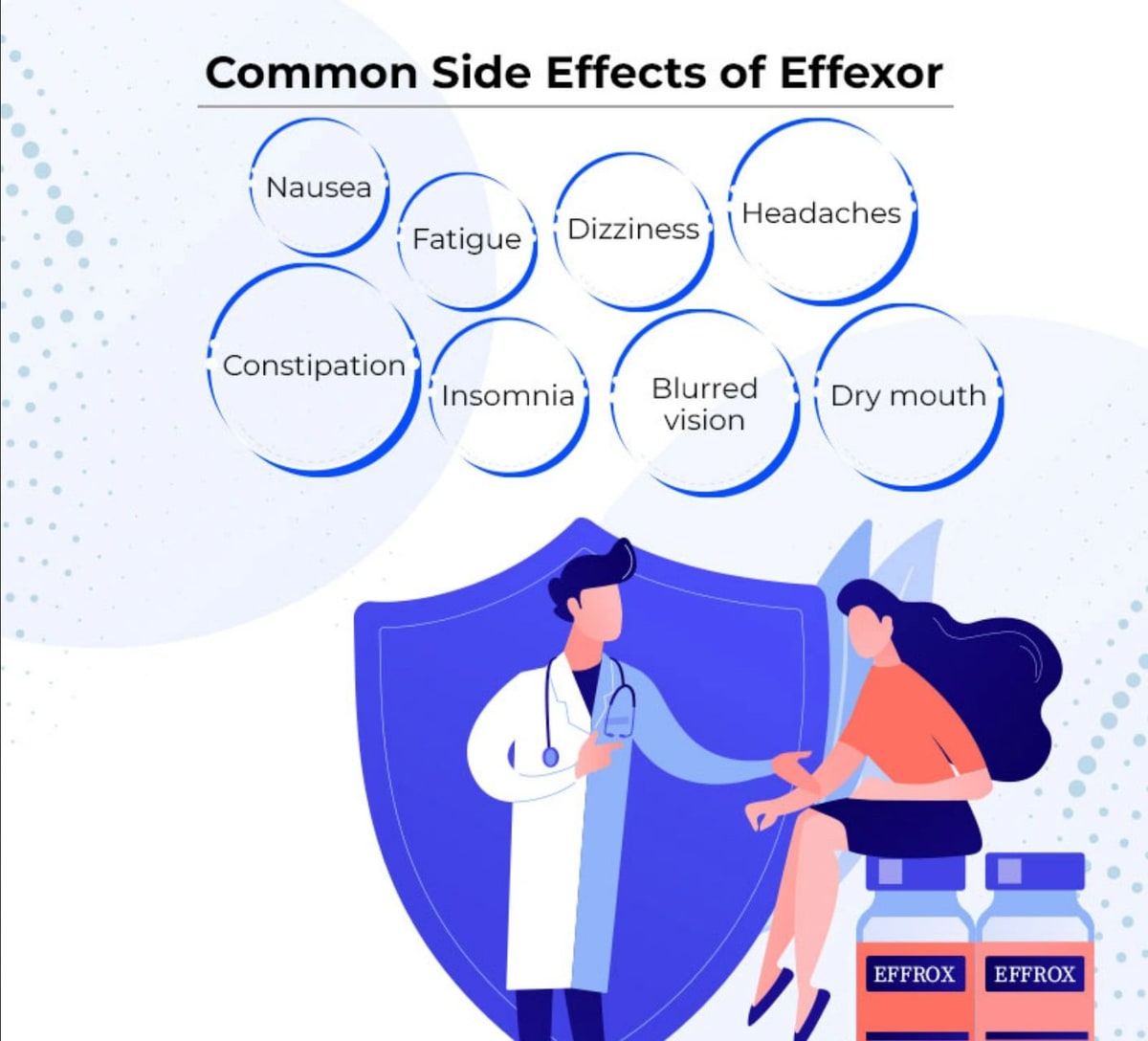
4. Side effects: Common side effects of Effexor may include nausea, dizziness, drowsiness, dry mouth, constipation, sweating, and sexual dysfunction. Some individuals may also experience increased blood pressure or heart rate. Contact your healthcare provider if any side effects persist or become bothersome.
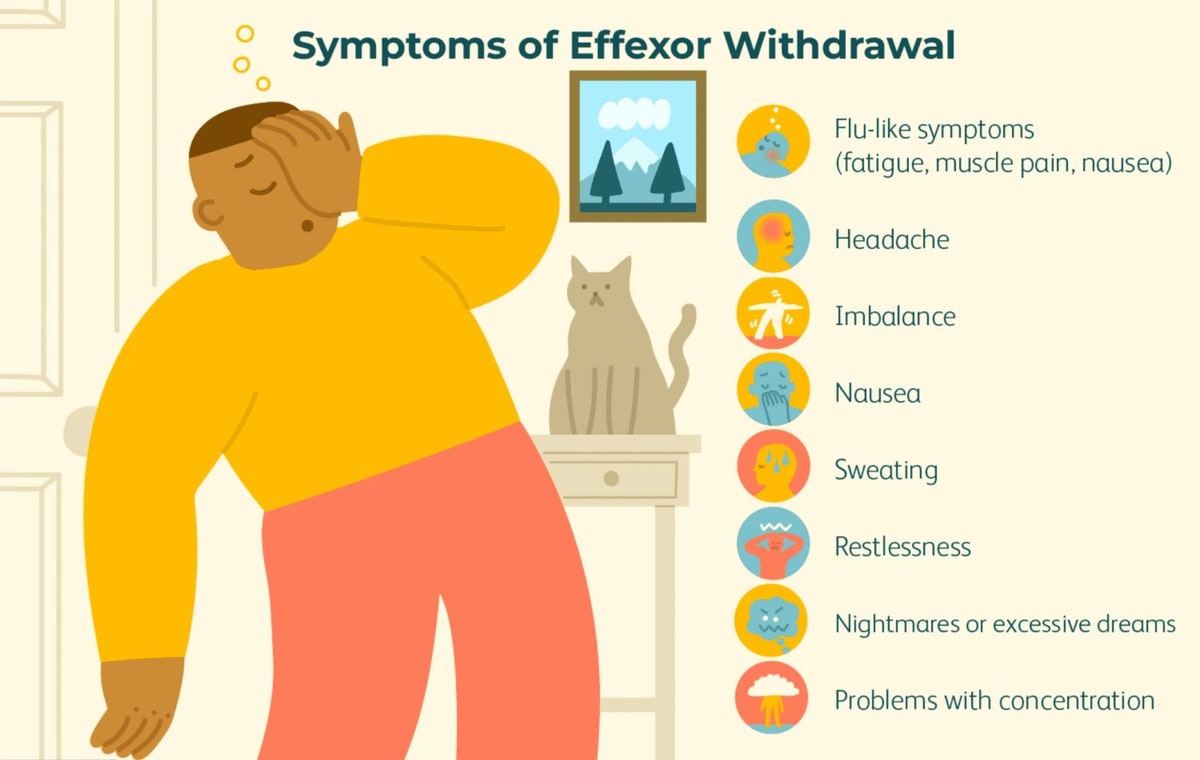
5. Withdrawal symptoms: Effexor can cause withdrawal symptoms if it is discontinued abruptly. To avoid withdrawal symptoms like anxiety, dizziness, irritability, and gastrointestinal issues, the dose is usually tapered off gradually under medical supervision.
- Drug interactions: Effexor may interact with other medications, including but not limited to other antidepressants, MAO inhibitors, blood thinners, certain pain medications, and drugs that affect liver enzymes. Inform your doctor about all the medications, supplements, and herbal products you use to help prevent potential drug interactions.
- Special precautions: Effexor should be used with caution in individuals with certain medical conditions, such as liver disease, heart problems, bipolar disorder, or a history of seizures. Additionally, it is not recommended for use during pregnancy or while breastfeeding.
- Warning: Effexor carries a boxed warning regarding the increased risk of suicidal thoughts and behaviors, particularly in children, adolescents, and young adults. Close monitoring for worsening depression or unusual behavioral changes is essential when starting this medication.
- Effectiveness: Effexor can take a few weeks to show its full therapeutic effect. It is important to continue taking the medication as prescribed by your healthcare provider, even if you initially do not notice significant improvement.
- Consultation: It is crucial to consult with a healthcare professional, such as a psychiatrist or primary care doctor, for a proper evaluation, diagnosis, and guidance on the use of Effexor medication. They can provide personalized information and closely monitor your progress.
This information is not exhaustive and should not replace professional medical advice. Always consult your healthcare provider for personalized guidance concerning your specific situation.
To schedule an appointment with Zalfi please click HERE.
This article is general information, not medical advice. It cannot diagnose you and is not a substitute for an evaluation by a licensed clinician.